

Let’s get this out of the way immediately: No. Absolutely not.
I know it’s tempting. You’ve got a new iPhone. It has “Portrait Mode.” You snap a picture, throw a filter on it, and think, “That’s good enough for LinkedIn, right?”
Wrong. As a headshot photographer in Los Angeles for over 26 years, I see the fallout from this decision every day. Lawyers, entrepreneurs, and real estate agents come to me after they’ve lost business because their online image screamed “amateur.”
In a competitive market, “good enough” is a death sentence. Your headshot isn’t just a picture; it’s your digital handshake. Using a selfie is like showing up to a client meeting in sweatpants. It tells the world you don’t take yourself—or them—seriously.
Why Isn’t a Selfie Considered Professional?
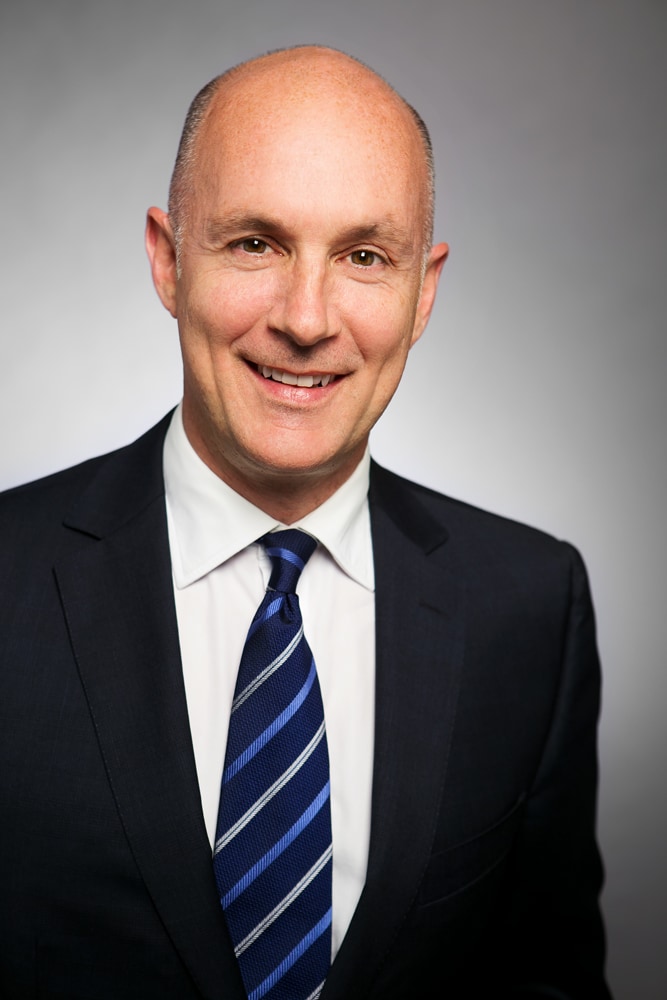
The difference isn’t just the camera. It’s the intent. A selfie is a casual, social snapshot meant to share a moment with friends. A professional headshot is a strategic marketing tool designed to build trust and get you business.
When a recruiter or potential client lands on your profile, they make a judgment in less than a second based almost entirely on your photo. A selfie says: “I cut corners.” A professional headshot says: “I am trustworthy and invest in myself.”
This is critically important for professions built on trust. Consider headshots for real estate agents. Your face is on “For Sale” signs, business cards, and websites. You’re asking people to trust you with the biggest financial decision of their lives. If your photo looks like it was snapped in a car, you’re creating a “trust gap” before they’ve even met you.
What Makes a Selfie Technically Flawed?
Beyond the “vibe,” selfies are technically flawed in ways that are immediately obvious to the human eye, even if the viewer can’t name them.
Why does my face look distorted in selfies?
Your phone’s front-facing camera uses a wide-angle lens. Holding it at arm’s length distorts your features: your nose and forehead appear larger while your ears and chin recede. A skilled portrait photographer uses a portrait lens from a greater distance, creating a proportionate, flattering look.
What’s wrong with the lighting and background?
A professional is, more than anything, an expert in light. We sculpt with it using strobes, softboxes, and reflectors. A selfie uses whatever light is available—overhead office lights creating “raccoon” shadows, harsh sunlight, or a window behind you turning you into a silhouette. The background is just as bad—a cluttered office, bathroom mirror, or inside of your car. A pro controls the environment to ensure you are the sole, clear subject. That’s what makes a great corporate headshot.
Why Do I Need a Professional Photo for LinkedIn?
Using a selfie is the fastest way to kill your credibility on the world’s most important professional network. Your LinkedIn profile isn’t Instagram. It’s your digital office, resume, and networking event rolled into one. A polished headshot for LinkedIn isn’t a “nice to have”; it’s fundamental.
LinkedIn’s data shows profiles with professional headshots get exponentially more views and connection requests. It’s the first indicator of trust. If you’re serious about your career, you need to understand why professional business headshots are worth it.
What Does a Session with a Professional Headshot Photographer Include?
When you hire a pro, you’re not just paying for a click of a button. You’re paying for a full, consultative service.
How does coaching and direction make a difference?
Almost everyone is “unphotogenic” or “hates having their picture taken.” A pro acts as a director—guiding you, making you comfortable, and pulling out a confident, authentic expression. We’ll show you how to pose for a corporate headshot that looks powerful, not “posey.” A selfie just captures your awkwardness.
Why does wardrobe matter so much?
A pro consults on wardrobe before the shoot. We know what works on camera and what doesn’t. We’ll tell you what not to wear—like busy patterns or distracting jewelry. A great corporate headshot session is a collaboration from start to finish.
What Is the Real Cost of a Professional Headshot?
You might think you’re saving money by using a selfie. You’re not. You’re paying for it in lost opportunities—the client who scrolled past, the recruiter who didn’t click, the trust you failed to build.
I see this all the time when people ask how much professional headshots cost in LA. They’re trying to save $100 while losing thousands in potential business. The investment pays for itself with the first client it helps you land. Your brand is worth it.
Frequently Asked Questions About Headshots vs. Selfies
Why can’t I just use my iPhone’s “Portrait Mode”?
While “Portrait Mode” fakes a blurry background, it doesn’t fix wide-angle lens distortion or poor lighting. It’s still a selfie, and it still looks unprofessional.
What’s the main difference between a selfie and a professional headshot?
Intent and expertise. A selfie is a casual snapshot with bad lighting and distortion. A professional headshot is a strategic marketing tool created with professional lighting, lenses, and coaching.
Does a selfie on LinkedIn really hurt my chances?
Yes. It’s a sign of amateurism. Recruiters make split-second decisions, and a selfie gives them an easy reason to scroll past you to a competitor who looks more professional.
How much does a high-quality headshot session cost?
In Los Angeles, a quality session typically ranges from $400 to $1,200+. This reflects expertise, studio, equipment, and high-end retouched images.
What makes a headshot look professional?
Technical excellence, authenticity, and brand alignment. Flawless lighting, flattering composition, a clean background, and a genuine expression that aligns with your professional brand.
Can a friend with a “good camera” take my headshot?
A good camera doesn’t make a good photographer. Your friend likely doesn’t understand professional lighting, posing, or retouching. It’s better to invest in a specialist.
0 Comments