

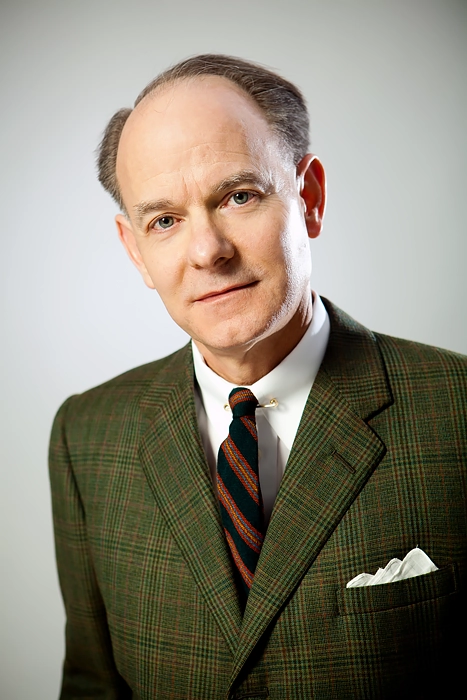
The appointment is booked. The date is set. Now comes the panic. You stand in front of your closet, hangers in hand, asking the eternal question: “What am I supposed to wear?”
It’s the most common anxiety I see as a professional headshot photographer. You know that first impressions matter. You know that your LinkedIn profile is often the first place a potential client or employer meets you. But translating “professional” into an outfit that looks good on camera is a different story.
The camera sees things differently than the human eye. What looks great in the mirror might look distracting or distorted through a lens. Whether you are a lawyer, a creative, or needing updated headshots for real estate agents, the rules of engagement are the same: wardrobe should frame your face, not fight with it.
What Is the Number One Rule for Headshot Wardrobe?
If you remember nothing else from this article, remember this: Fit is King.
You can wear a $3,000 suit, but if the shoulders are too wide or the collar is too tight, you will look sloppy. The camera magnifies ill-fitting clothing. Loose fabric adds visual weight, making you look larger than you are. Tight fabric creates unflattering pulls and wrinkles.
Your clothes should skim your body, providing structure without constriction. Tailoring is the secret weapon of a polished look. If you are unsure if investing in tailoring or a professional session is worth it, read my breakdown on are professional business headshots worth it to understand the ROI of looking your absolute best.
Which Colors Work Best on Camera?
Color psychology is real. The colors you wear subconsciously signal traits to the viewer.
- Navy Blue & Charcoal: These are the gold standards for corporate headshots. They convey trust, authority, and intelligence. They are universally flattering and look great against almost any background.
- Gem Tones: Deep emeralds, purples, and burgundies are fantastic for adding personality without being loud. They work exceptionally well for a womens professional headshot where you want to balance authority with approachability.
- Black: Classic and sophisticated, but be careful. Black can absorb light and hide texture. Make sure the fabric is crisp and lint-free.
If you are struggling to narrow down your palette, I have a dedicated guide on what is the best color to wear for professional headshots that goes deeper into color theory.
Should I Wear Patterns or Solids?
This is a hard rule: Solids always win.
Patterns are a distraction. Plaid, houndstooth, and tight stripes can cause a technical issue called “moiré,” where the lines vibrate and create a dizzying effect on digital screens. Even if moiré doesn’t happen, patterns draw the eye away from your face. You want the viewer to connect with your eyes, not your shirt.
If you want to add visual interest, use texture instead of print. A knit sweater, a tweed jacket, or a silk blouse adds depth without the noise. Avoiding these rookie mistakes is part of what makes a great corporate headshot truly stand out.
What About Necklines and Sleeves?
For women, the neckline frames the face. A modest V-neck is almost always the most flattering choice as it elongates the neck. High turtlenecks can sometimes make you look like a “floating head,” while very low scoops can be distracting.
Regarding sleeves: Keep them covered. Bare arms draw the eye away from the face and can look unprofessional in a corporate context. Even a short sleeve is better than a sleeveless top. If you love a sleeveless shell, pair it with a blazer. For more specific styling advice for women, check out what should a woman wear for a professional headshot.
How Many Looks Should I Bring?
Never bank on just one outfit. Bring options. I recommend bringing at least three distinct looks:
- The Standard Professional: A dark suit or blazer. This is your “safe,” authoritative look.
- Business Casual: A crisp button-down or blouse without a jacket. This is friendlier and more approachable.
- The Personality Piece: A color you love or a style that feels 100% “you.”
Having variety ensures you don’t get stuck with a photo you hate because the one shirt you brought wrinkled in the car. It also gives you content for different platforms (e.g., LinkedIn vs. Instagram).
Does Jewelry and Accessories Matter?
Yes, but less is more. Jewelry should be an accent, not the main event. Small studs or simple hoops are perfect. Avoid large, reflective statement necklaces that bounce studio light onto your chin.
For men, if you wear a tie, ensure the knot is tight and centered. If you wear glasses, bring them! Authenticity is key. A professional photographer knows how to light you to avoid glare. If you are worried about looking awkward even with the right accessories, read up on 4 tips on how to pose for a corporate headshot to calm your nerves.
What Is the Biggest Wardrobe Mistake to Avoid?
The biggest mistake is trying to be someone you aren’t. Don’t wear a three-piece suit if you are a yoga instructor. Don’t wear a hoodie if you are a lawyer (unless you are a very specific type of lawyer). Your clothes must match your brand.
Also, avoid the temptation to just “take a quick selfie” in a nice outfit. No amount of styling can fix the lens distortion of a smartphone. I explain why in detail in my article on why a selfie cannot be used as a professional headshot.
Ready to Look Your Best?
When you feel good in what you are wearing, it shows in your expression. Confidence is the best accessory you can bring to the studio. If you have your wardrobe ready and want to understand the investment, check out my guide on how much professional headshots in LA cost.
Ready to book? View my portfolio of corporate headshots and let’s create an image that works for you.
Frequently Asked Questions About Headshot Wardrobe
What colors should I avoid in a headshot?
Avoid neon colors (hot pink, lime green) as they cast unflattering light onto your skin. Also, avoid skin-tone colors (beige, cream, pale peach) if they match your skin too closely, as they can make you look washed out or “naked” from a distance.
0 Comments