


Why Does Too Much Makeup in Actor Headshots Cause Re-Shoots?
One of the most common reasons agents request re-shoots for actor headshots has nothing to do with lighting, framing, or even expression. It comes down to makeup. Specifically, too much of it. As a headshot photographer in Los Angeles who has worked with actors at every level of the industry, I’ve seen this play out more times than I can count. Agents have dealt with it so often that some reps have started telling clients flat out: “Don’t wear makeup in your headshots at all.” I don’t fully agree with that advice, but I completely understand where it comes from.
What Are Casting Directors Actually Looking For?
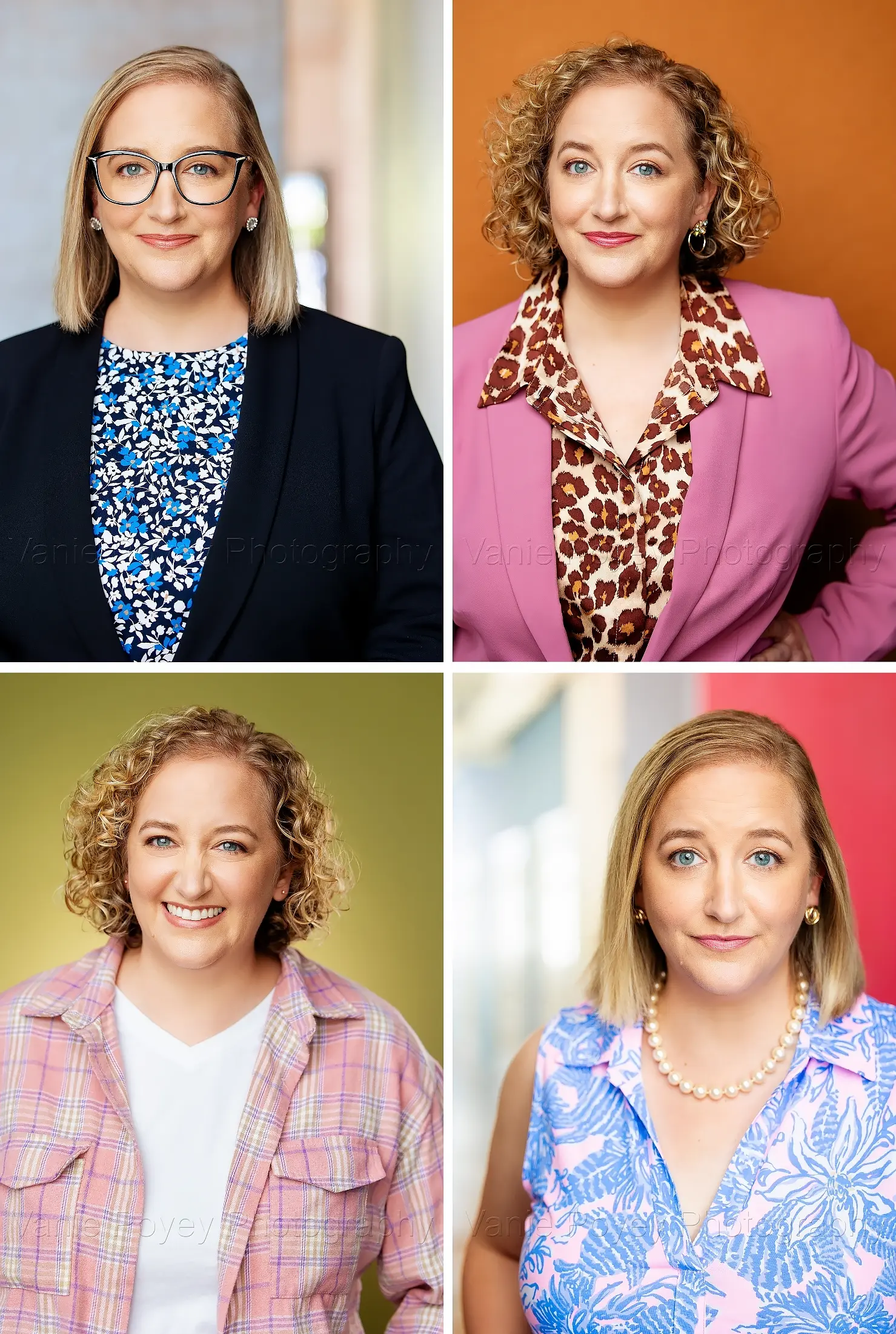
Casting directors want to see the real, natural you. Not the glammed-up version. Not the filtered version. You.
It’s easy enough to apply full makeup once you book a role. What needs to come through in your headshot is what you actually look like without changing your face. If your headshots don’t look like you on a normal day, you’ve already created a problem before you’ve walked into the room.
According to research on first impressions, people form visual judgments within milliseconds of seeing a face (Psychology Today). In casting, that split-second read matters enormously. Anything that obscures your natural features or creates a false impression of who you are works against you.
Why Do Some Agents Say “No Makeup at All”?
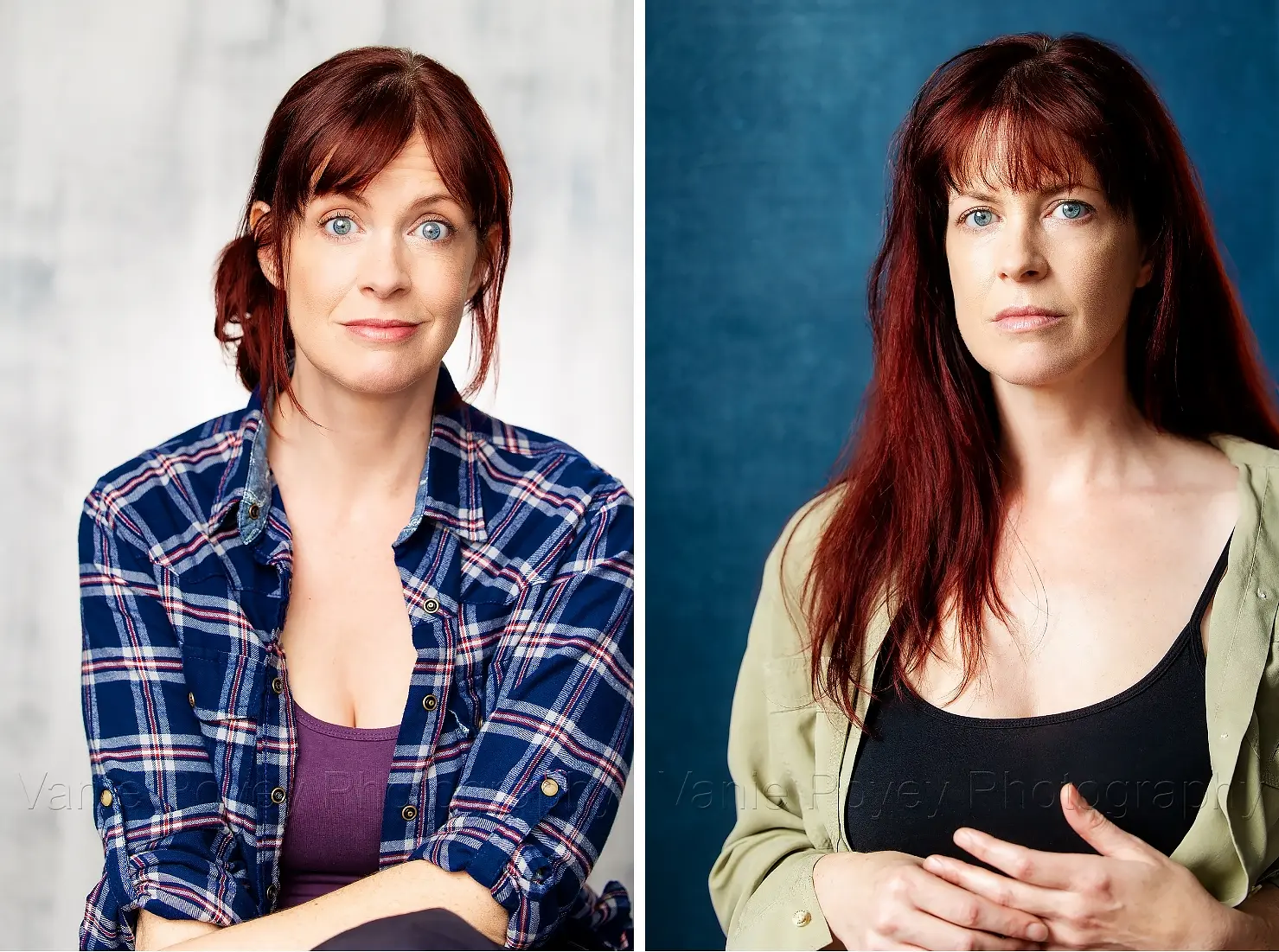
After years of dealing with actors who come in with headshots ruined by over-application, some reps have lost faith in both photographers and clients to get it right. Rather than fight the battle every time, they’d rather eliminate the variable entirely.
That’s understandable. But going completely bare-faced isn’t the ideal solution either. Skin tone variations and under-eye circles can read harshly on camera, and evening out the complexion makes a real difference in how competitive your professional acting headshots look. The goal is makeup that enhances without transforming.
What Makeup Should You Avoid for Acting Headshots?
The short answer: anything that changes the shape or structure of your face, or that reads as a costume rather than your everyday self.
Which Specific Products Are Off-Limits for Theatrical Headshots?
For theatrical headshots, the following are generally a hard no:
- False lashes: Strip lashes make you look dramatically different on camera and immediately read as “done up.”
- Heavy contouring: Contouring reshapes your face. Casting directors need to see your actual bone structure.
- Heavy cat-eye liner: Unless you’re deliberately creating a specific character look, thick graphic liner is a distraction, not an asset.
- Drawn-in brows (trendy style): The Instagram and TikTok brow trends look great on social media. They do not look great in headshots and often pigeonhole you into a specific stereotype before you’ve said a word.
- Heavy, matte foundation: For men especially, a thick matte base reads flat and unnatural on camera. Go for something translucent and luminous instead.
Social media makeup trends move fast. A 2024 survey found that over 70% of makeup artists cite Instagram and TikTok as their primary inspiration sources (Statista). That’s fine for content creation. It’s not fine for an actress headshot or a theatre headshot where the industry standard calls for something entirely different.
Are There Any Exceptions to These Makeup Rules?
Yes, and it’s worth being honest about them.
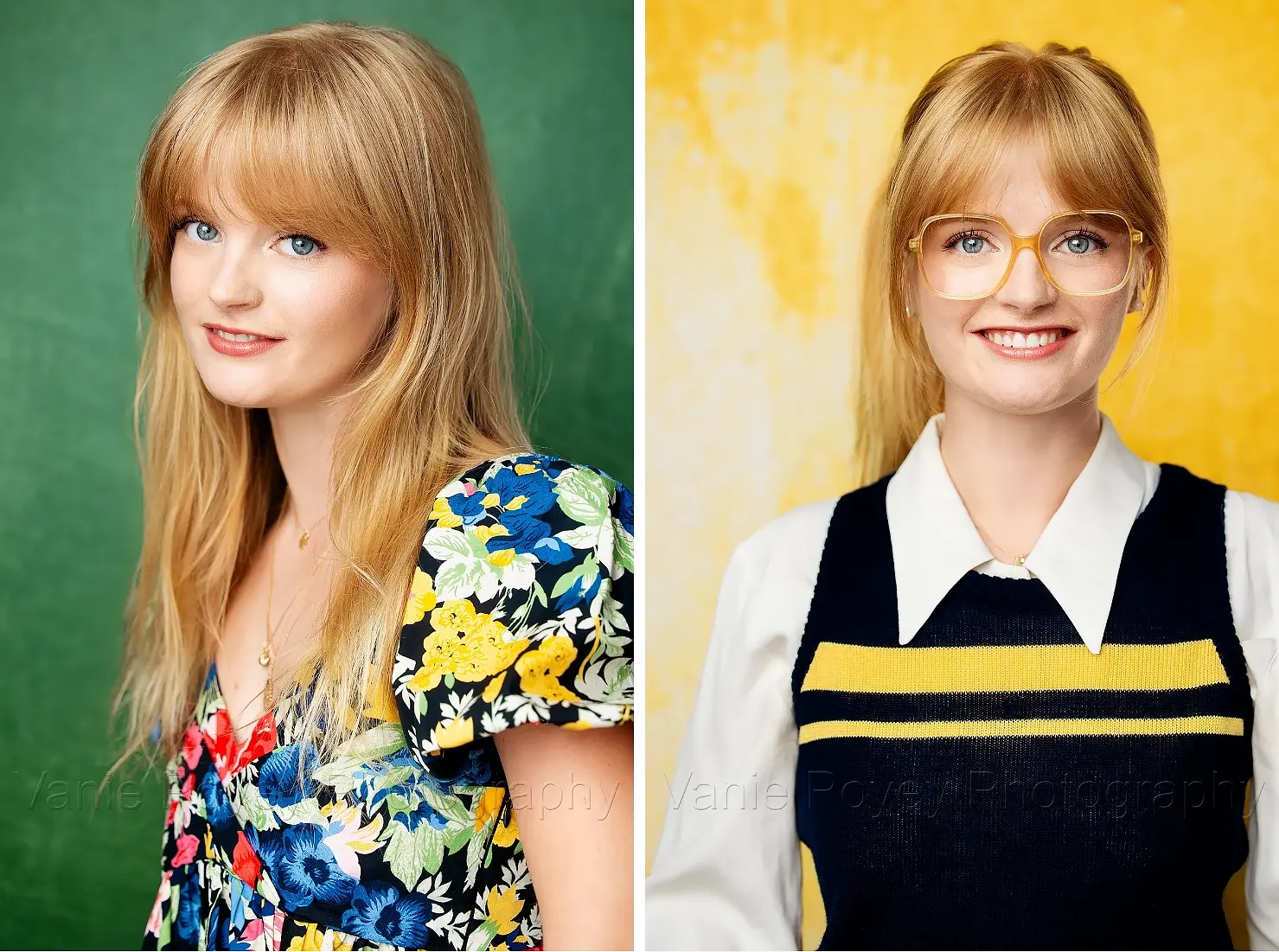
If you grew up in the 90s like me, you may have essentially no eyebrows left. You have no choice but to fill them in. That’s not a trend; that’s a necessity. The key is filling them in to match what your natural brows would look like, not creating a new shape entirely.
If your lashes have thinned or fallen out, individual lash extensions that mimic your natural lash line are acceptable. The goal is to restore what’s there, not add dramatic length or volume that changes how you look.
And yes, creative makeup can be used strategically when you’re building out specific character looks during your session. A bold look might clarify an edgy musician or a villain type. But that kind of application is reserved for specific looks within the session, not as the default for every frame you shoot.
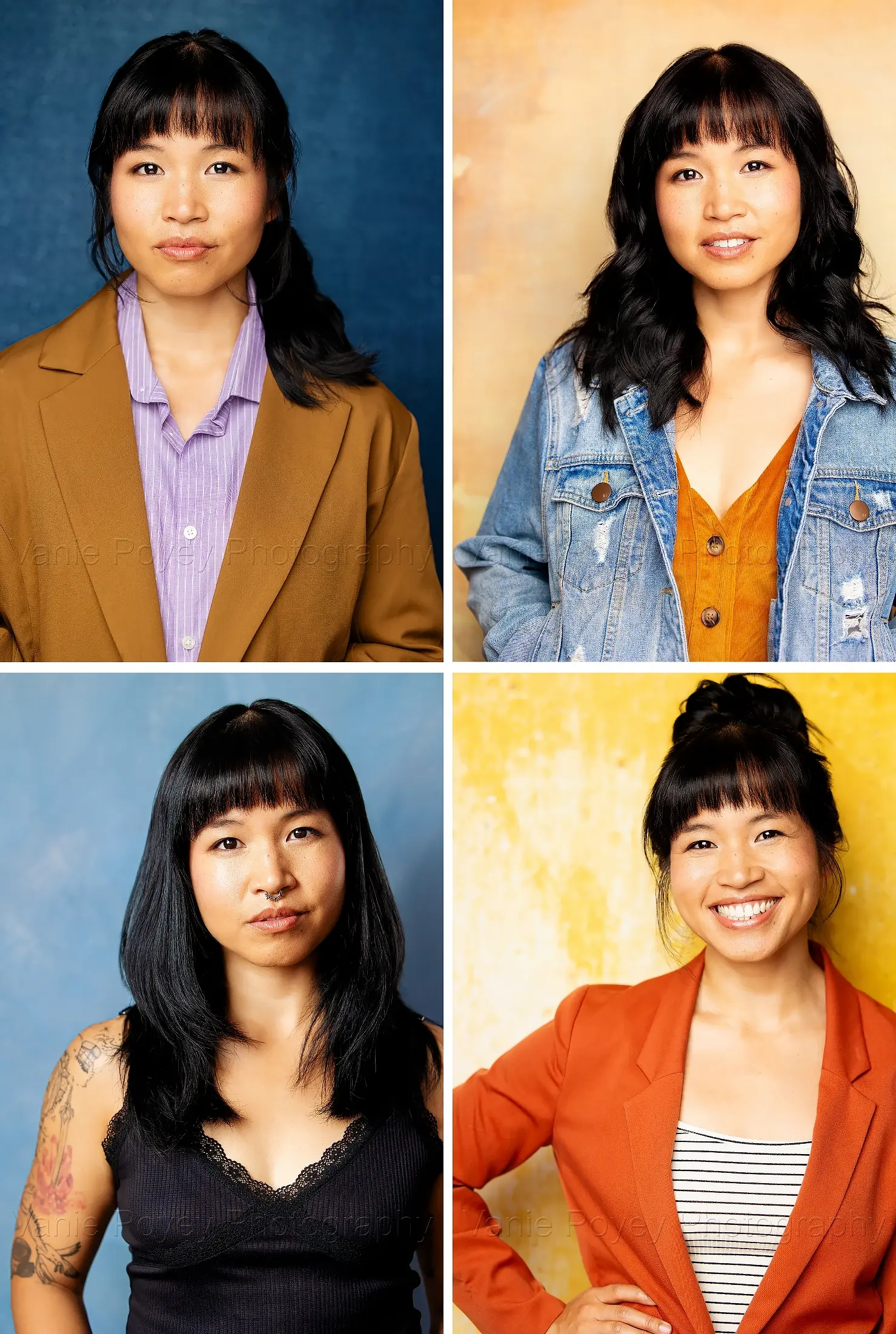
What Does Industry-Standard Headshot Makeup Actually Look Like?
The goal is a polished, camera-ready version of your everyday face. Think of it as the version of yourself you’d show up as to an important meeting, not a red carpet event.
For women, that means light coverage foundation or tinted moisturizer, natural-looking blush, soft eye shadow that enhances without overdoing it, and mascara that separates and lifts without adding dramatic volume. Lip color should be close to your natural lip tone unless a specific look calls for something bolder.
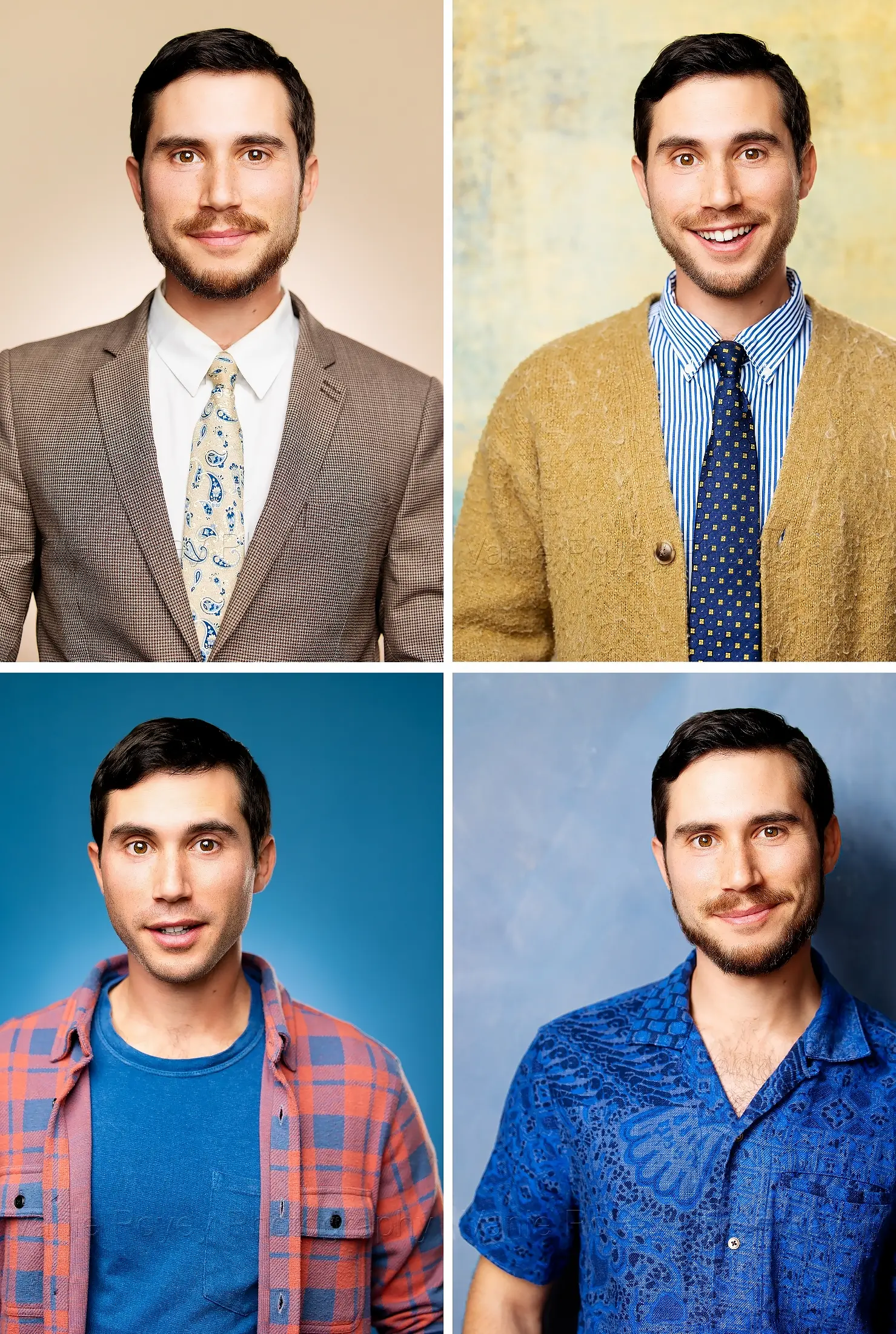
For men, a light translucent powder or foundation can even out redness and neutralize under-eye shadows without looking made-up on camera. The result should be undetectable. If someone looks at your headshot and thinks “he’s wearing makeup,” you’ve gone too far. Understanding why hiring a professional makeup artist for your headshots matters can make a significant difference in getting this balance right.
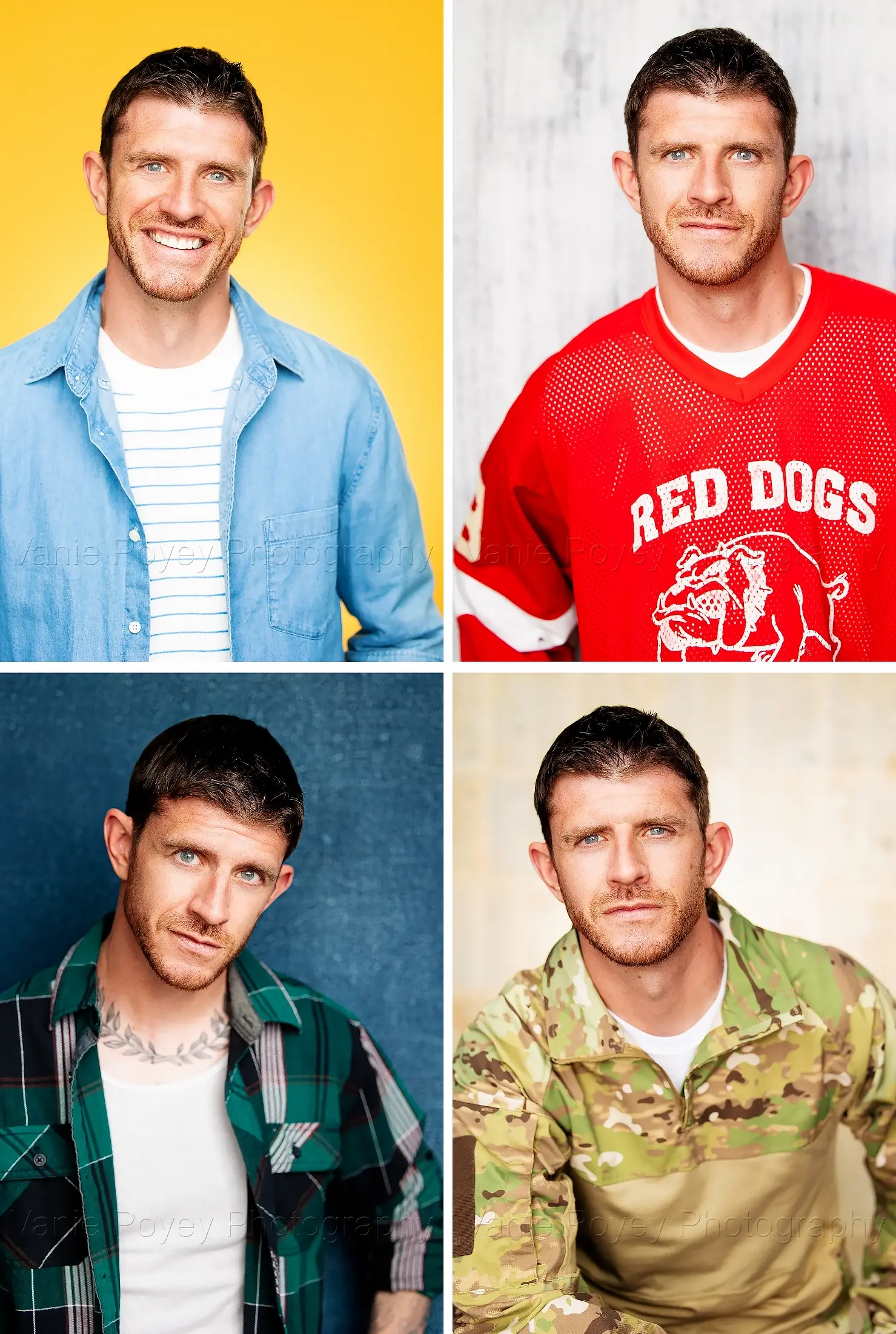
Why Does Working With the Right Makeup Artist Make a Difference?
Not every makeup artist understands what the acting industry expects. There’s a real difference between a makeup artist trained for editorial or bridal work and one who knows exactly what a casting director needs to see in an actress headshot or acting headshot.
When you work with a photographer who specializes in actor headshot makeup, you get guidance throughout the process. If your choices are stepping outside the safe zone, you’ll be told before the camera clicks, not after you’ve paid for a session that needs to be redone. That guidance also ties directly into how you prepare for your overall headshot session, from wardrobe to expression to look selection.
A study on professional image and career advancement found that presenting an authentic, consistent professional image significantly increases how others perceive your credibility (Harvard Business Review, 2023). In the acting world, your headshot is that professional image. It needs to be honest.
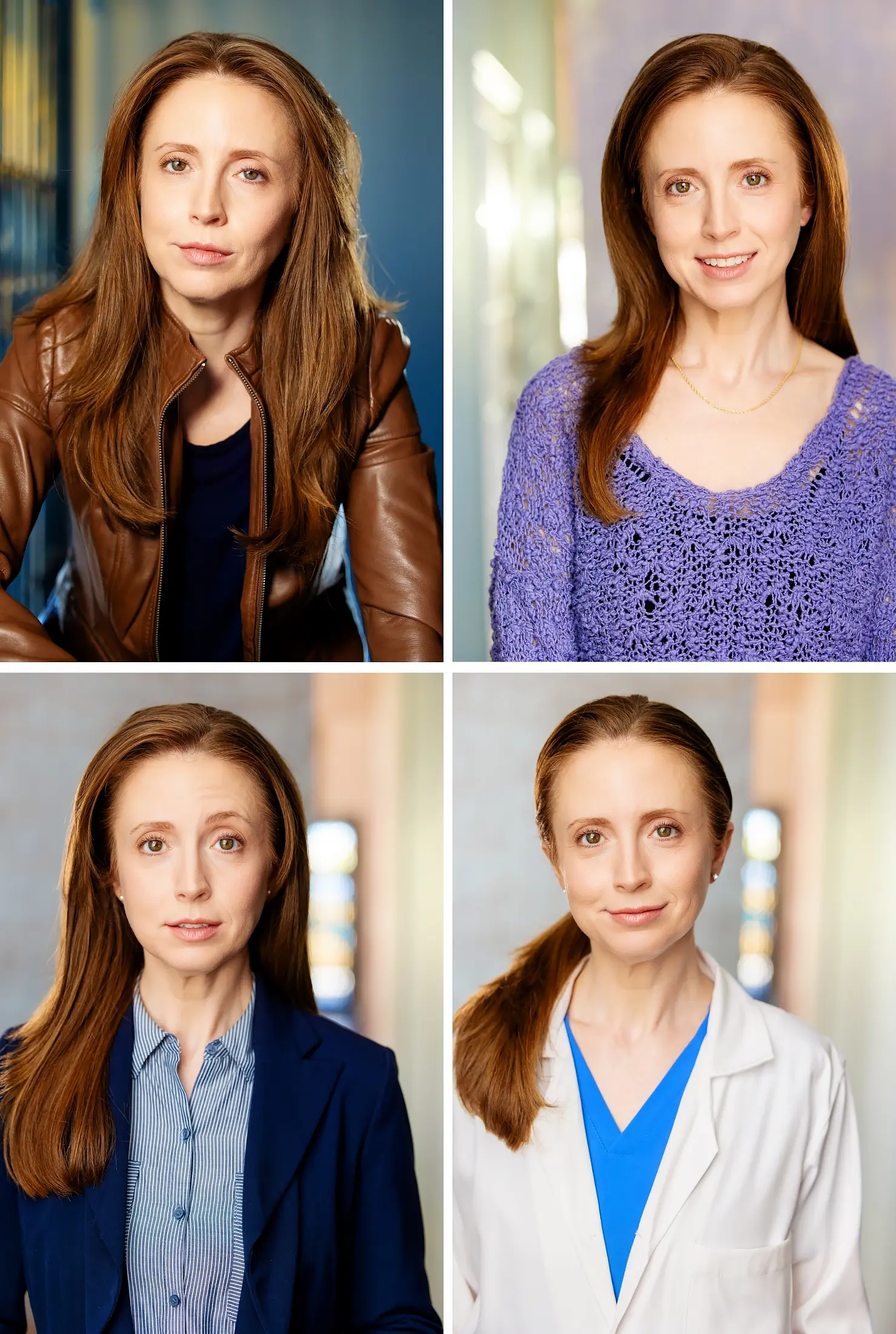
How Does Over-Styled Makeup Affect Your Castability?
Heavy makeup doesn’t just risk a re-shoot. It can actively narrow the range of roles you’re considered for. When your headshot reads as “heavily made-up,” casting directors start to categorize you. You may get seen for glamour roles but passed over for the suburban mom, the detective, the best friend, or the blue-collar worker. Understanding your type before your headshot session is one of the most important steps you can take toward making sure your images work for you, not against you.
Your professional acting headshots should expand the number of doors that open for you, not close them before you’ve had a chance to audition.
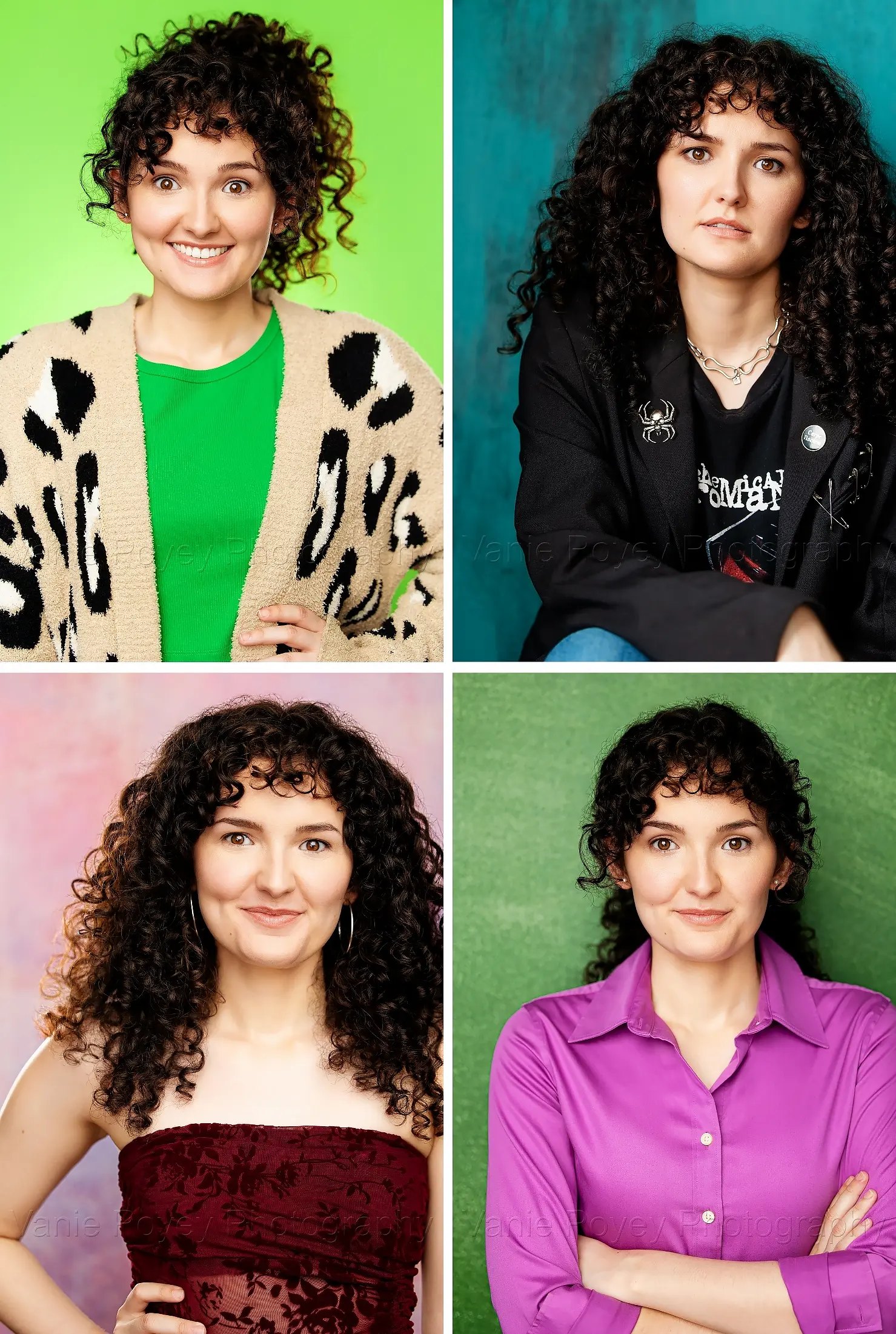
Frequently Asked Questions About Makeup for Actor Headshots
How much makeup should an actor wear for headshots?
Actors should wear light, natural-looking makeup that evens out skin tone without changing facial features. The goal is to look like your best everyday self, not a dramatically different or heavily styled version of yourself.
Should women wear makeup for acting headshots?
Yes, light makeup is generally recommended for actress headshots to even out skin tone and reduce the appearance of under-eye circles on camera. Heavy contouring, false lashes, and graphic liner should be avoided unless they serve a specific character look.
What makeup mistakes hurt actor headshots the most?
The most common mistakes in actor headshots are heavy contouring, strip false lashes, trending drawn-in brows, and thick matte foundation. These choices either make you look dramatically different from your everyday appearance or lock you into a narrow stereotype.
Should men wear makeup for professional acting headshots?
Men can benefit from a light translucent powder or foundation to even out redness and neutralize under-eye discoloration on camera. The application should be completely undetectable; if it reads as makeup in the final image, it’s too heavy.
Do casting directors care about makeup in theatrical headshots?
Yes. Casting directors for theatrical headshots want to see what you actually look like in real life. Over-styled makeup is one of the top reasons agents request re-shoots, because it misrepresents what the actor looks like and undermines the authenticity casting directors rely on.
Should I hire a professional makeup artist for my acting headshot session?
Working with a makeup artist who understands industry standards for acting headshots is highly recommended. A professional trained specifically for headshot work knows how to enhance your natural features on camera without crossing into the over-styled territory that triggers re-shoots.
Ready to get actor headshots that actually get you seen? Work with a team that knows exactly what the industry expects. Visit Poyeyphotos.com to learn more about our sessions and how we guide you through every decision, including makeup, to make sure your headshots work hard for your career.
As a photographer I find it a real challenge when actors walk in with a full face of makeup. I know that what I’m delivering isn’t going to be right because the makeup is incorrect. I have blog posts on my website about it, but I still get people who think they’re the exception. They never are. thank you for saying this again loud and clear. I hope more actors see this and take heed. The re-shoot is handy for my wallet, but not for theirs!
Just starting to get new headshots. I like how thorough you are.
This is sooooo helpful! Thank you!!