


If you’ve spent any time in the acting world, you already know that actor headshots are non-negotiable. But knowing you need them and truly understanding what they’re supposed to do are two very different things. A lot of actors walk into a session without a clear sense of purpose, and that confusion shows up in the final images. So let’s get specific. The purpose of a headshot is not to show how attractive you are, how many looks you can pull off, or how professionally it was lit. The purpose of a headshot is to get you called in. That’s it. Everything else is secondary. Once you understand that, the entire process starts to make a lot more sense.
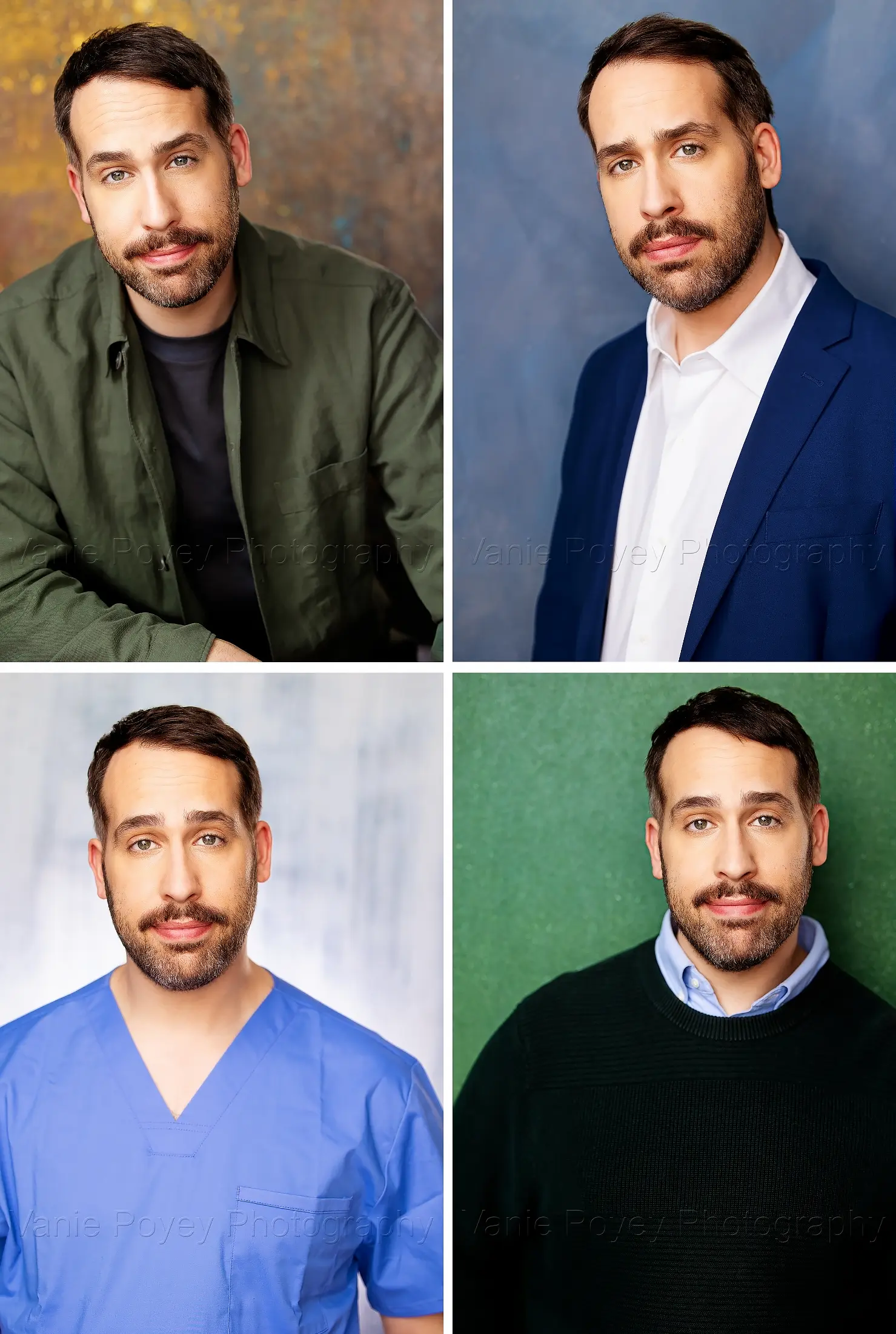
What Are Actor Headshots Actually Supposed to Do?
Your headshot has one job: to make a casting director, agent, or manager want to bring you into the room. It’s a marketing tool, not a portrait. The difference matters more than most actors realize.
Think of it this way. A portrait captures a moment. A marketing tool communicates something specific to a specific audience. Professional acting headshots need to do the latter. They need to tell the people who are looking at them exactly who you are and what kind of roles you can play, all in a fraction of a second.
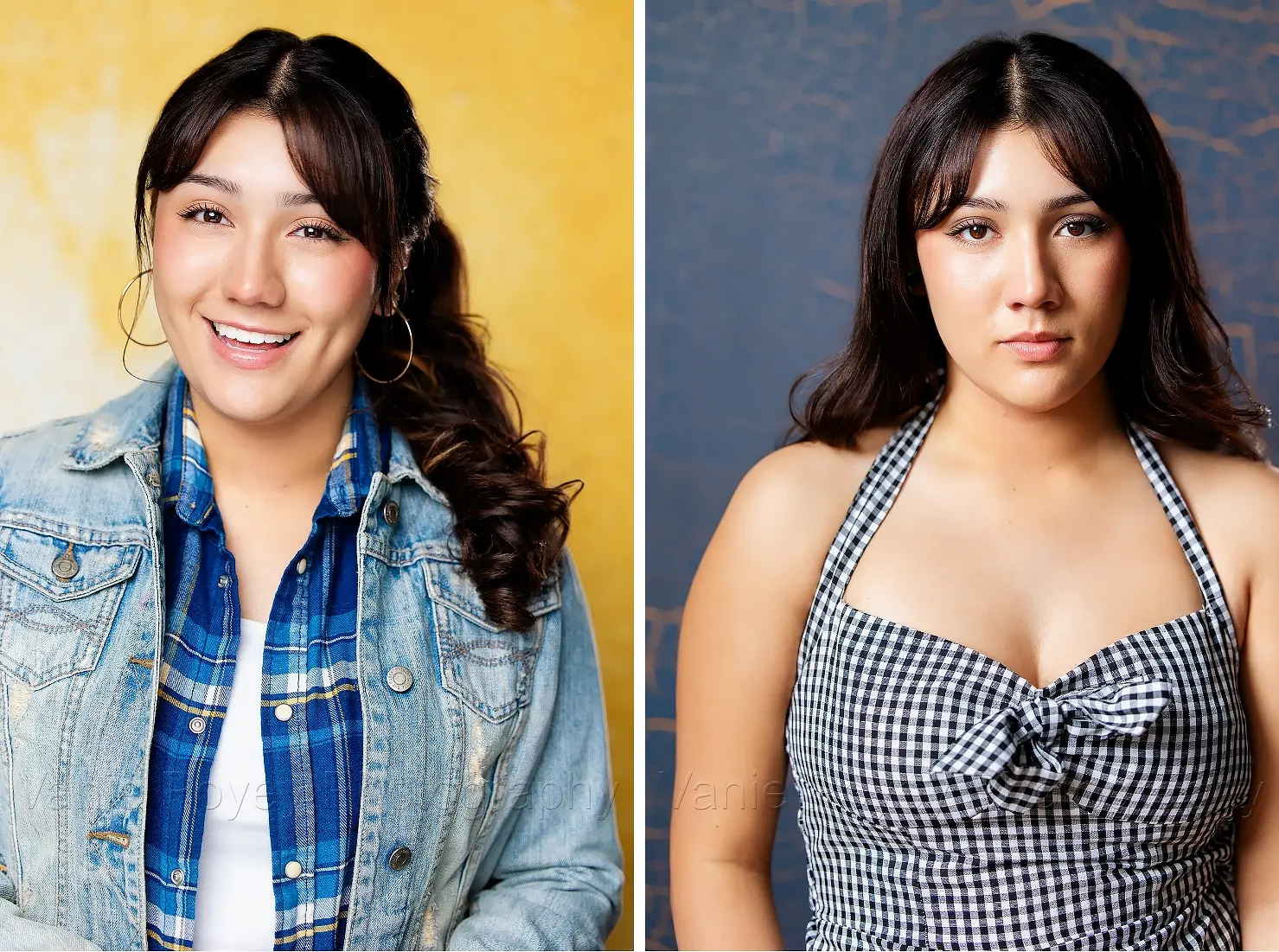
Why Does First Impression Matter So Much in This Industry?
Casting directors move fast. They’re looking through hundreds, sometimes thousands, of submissions for a single role. Research consistently shows that first impressions form within milliseconds, and your headshot is making that impression before anyone reads a single line of your resume. According to a study on visual processing, the human brain forms judgments about a face in as little as 100 milliseconds (source: National Institutes of Health). That’s how quickly your headshot is either working for you or against you.
This is why the technical quality of your image matters, but it’s not the whole story. A technically perfect photo that communicates nothing specific is still a weak headshot.

How Do Actor Headshots Function as a Casting Tool?
When a casting director looks at your headshot, they’re not admiring the photography. They’re asking themselves one question: can I see this person in the role I’m casting? That means your headshot needs to reflect your type, your energy, and your range, all at once. If you don’t know your type before your session, you’re essentially throwing money out the door. Knowing your type is foundational to creating headshots that actually work.
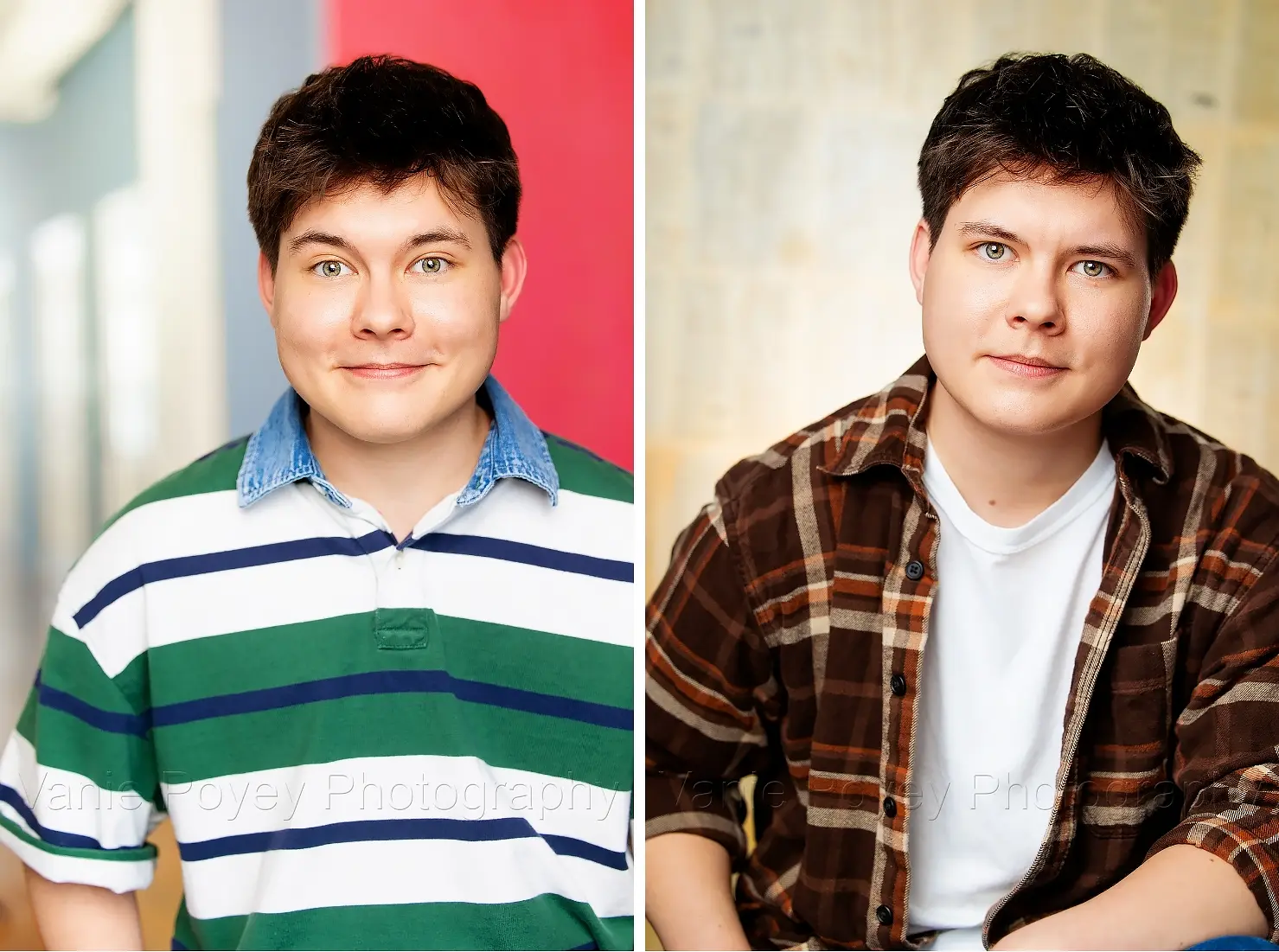
What Makes a Headshot Effective for Actors vs. Other Professionals?
Theatrical headshots and business headshots serve different masters. A corporate headshot needs to project competence and approachability. An actor’s headshot needs to project something far more nuanced: character, specificity, and castability.
That distinction changes everything, from how you’re lit to how you’re directed during the session. It also explains why not every photographer is the right fit for every client. An acting headshot photographer who specializes in actors understands this difference intimately. Someone who primarily shoots corporate clients may not.
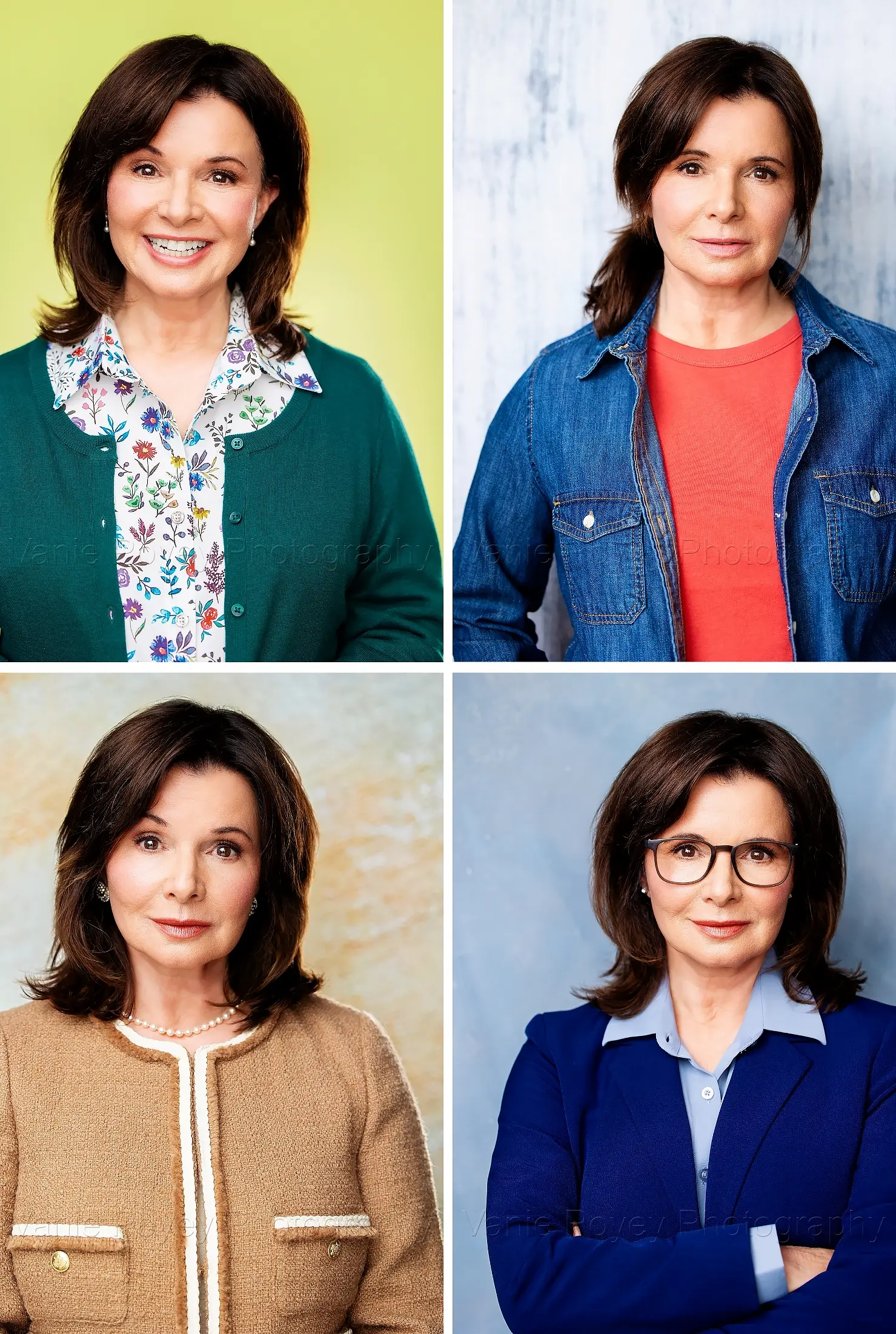
What Should a Theatrical Headshot Communicate?
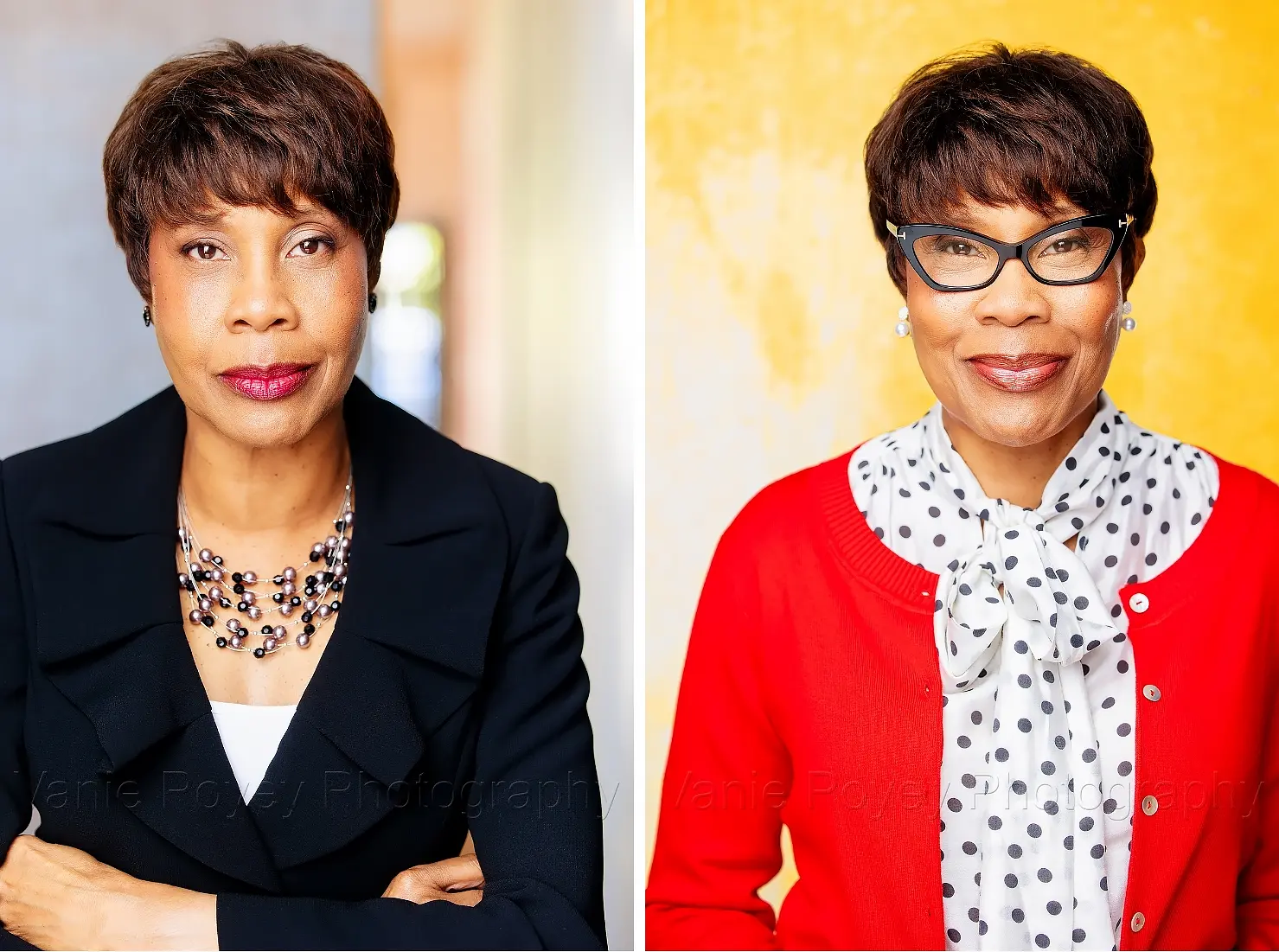
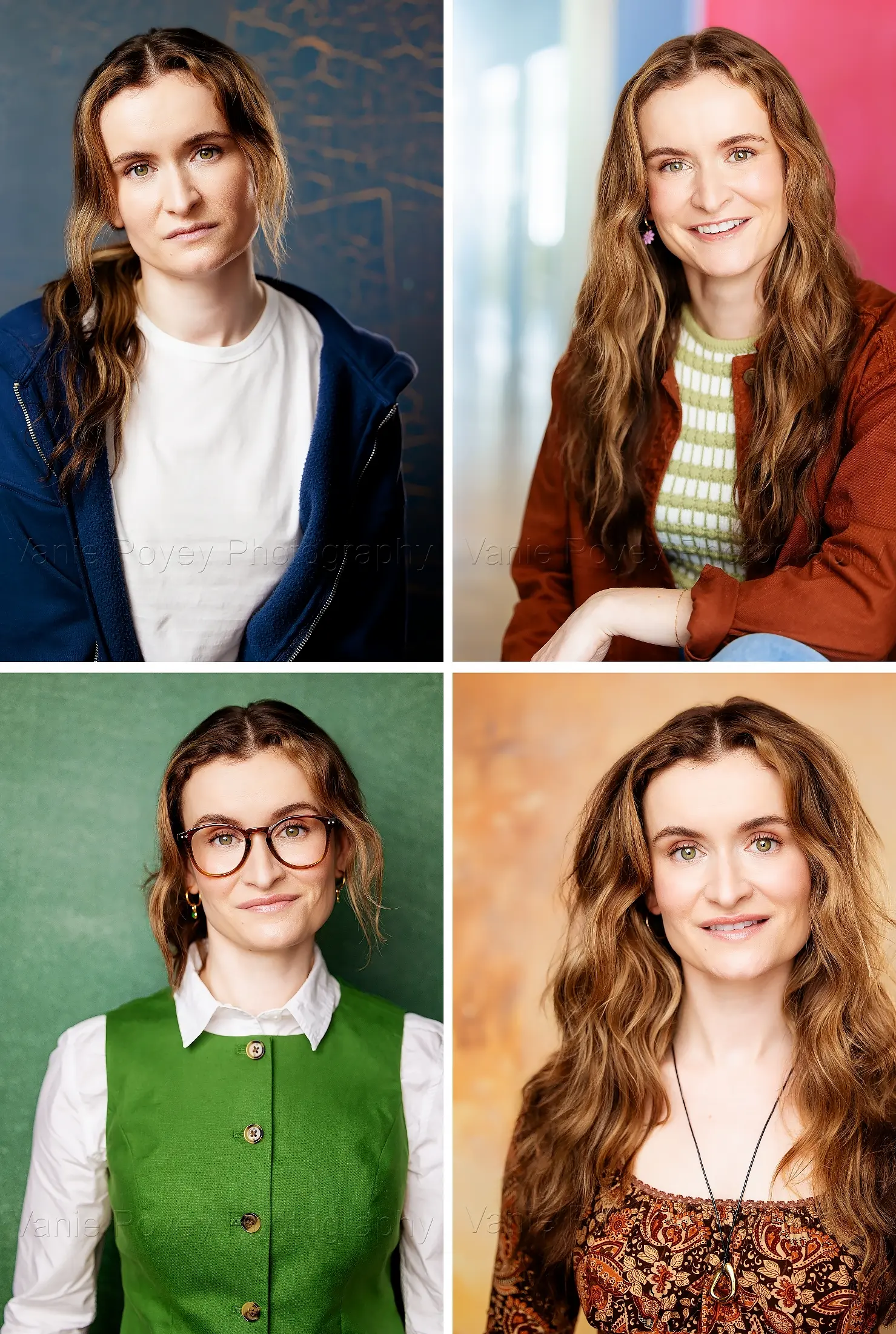
Theatre headshots and film headshots share a common goal: they need to convey who you are as a performer. That means the image should feel alive, not posed. It should look like you in your best moment, not like a version of you that was trying too hard. According to Backstage, casting directors consistently say they want headshots that feel real and specific, not generic or overly polished. The headshot that gets you called in is almost always the one that looks most like you.
What Role Does Specificity Play in Actress Headshots?
Actress headshots often face an additional layer of pressure because the industry has historically been more image-focused for women. But the same rule applies across the board: specificity wins. A headshot that clearly says “smart, driven professional woman in her 30s” will outperform one that tries to look universally appealing. An actress headshot photographer who understands this will help you lean into what makes you specific, rather than smoothing it out.
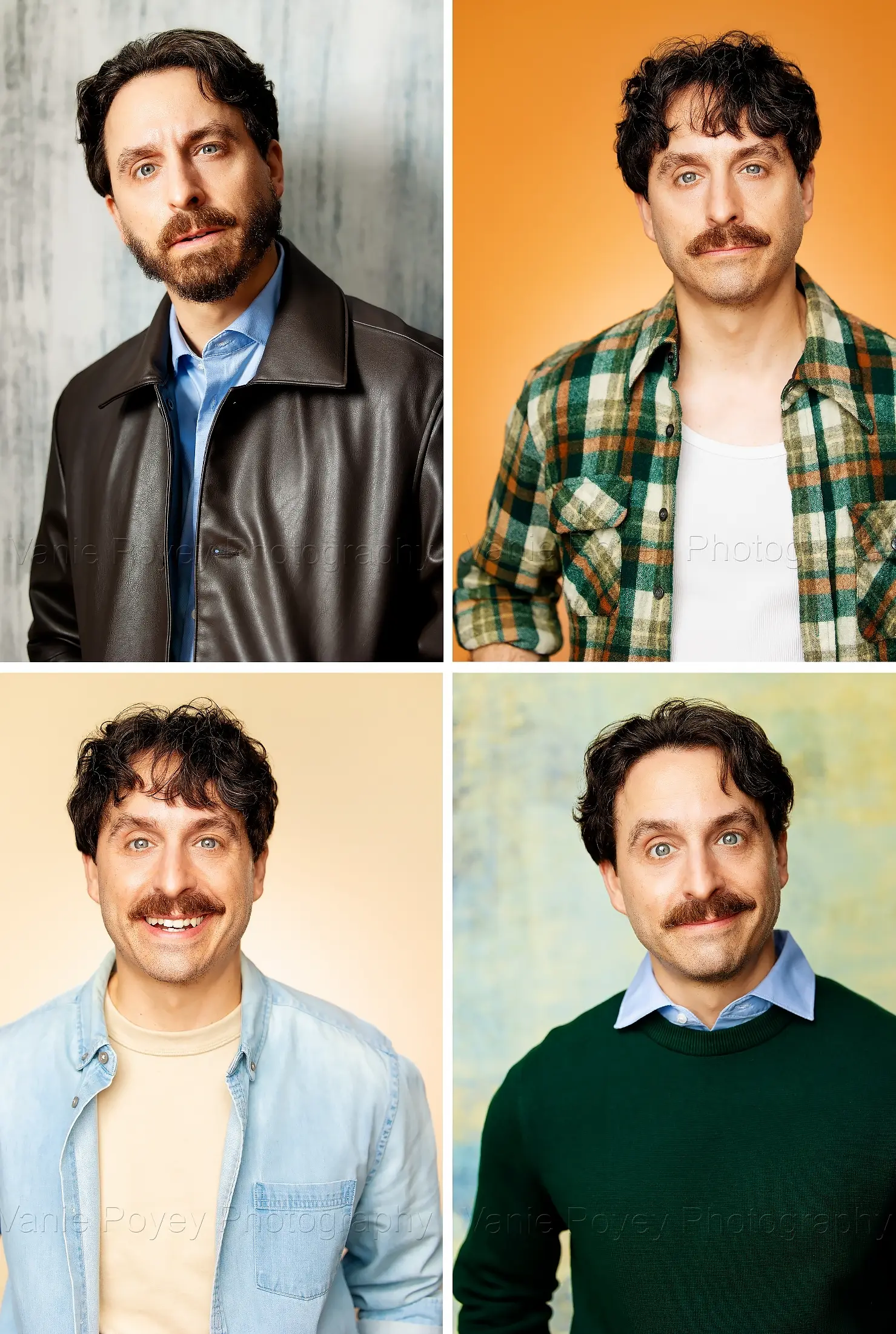
Here’s what specificity looks like in practice:
- Wardrobe that reflects a real character type, not just what looks flattering
- An expression that has genuine emotion behind it, not a generic smile
- Lighting and framing that serve your type, not just the aesthetic of the photographer
- A look that matches how you walk into an audition room in real life
How Often Should Actors Update Their Headshots?
Your headshot should look like you right now, not you two years ago. If you’ve changed your hair, lost or gained weight, or significantly aged since your last session, it’s time for new photos. How often you should get new headshots depends on how much you’ve changed and how active you are in pursuing work.
According to LinkedIn data, profiles with professional photos receive up to 21 times more views than those without (source: LinkedIn). While that stat applies to professional networking, the principle holds in casting as well: a current, high-quality image signals that you’re active, serious, and ready to work.
What Happens When Your Headshot Doesn’t Match Who You Walk In As?
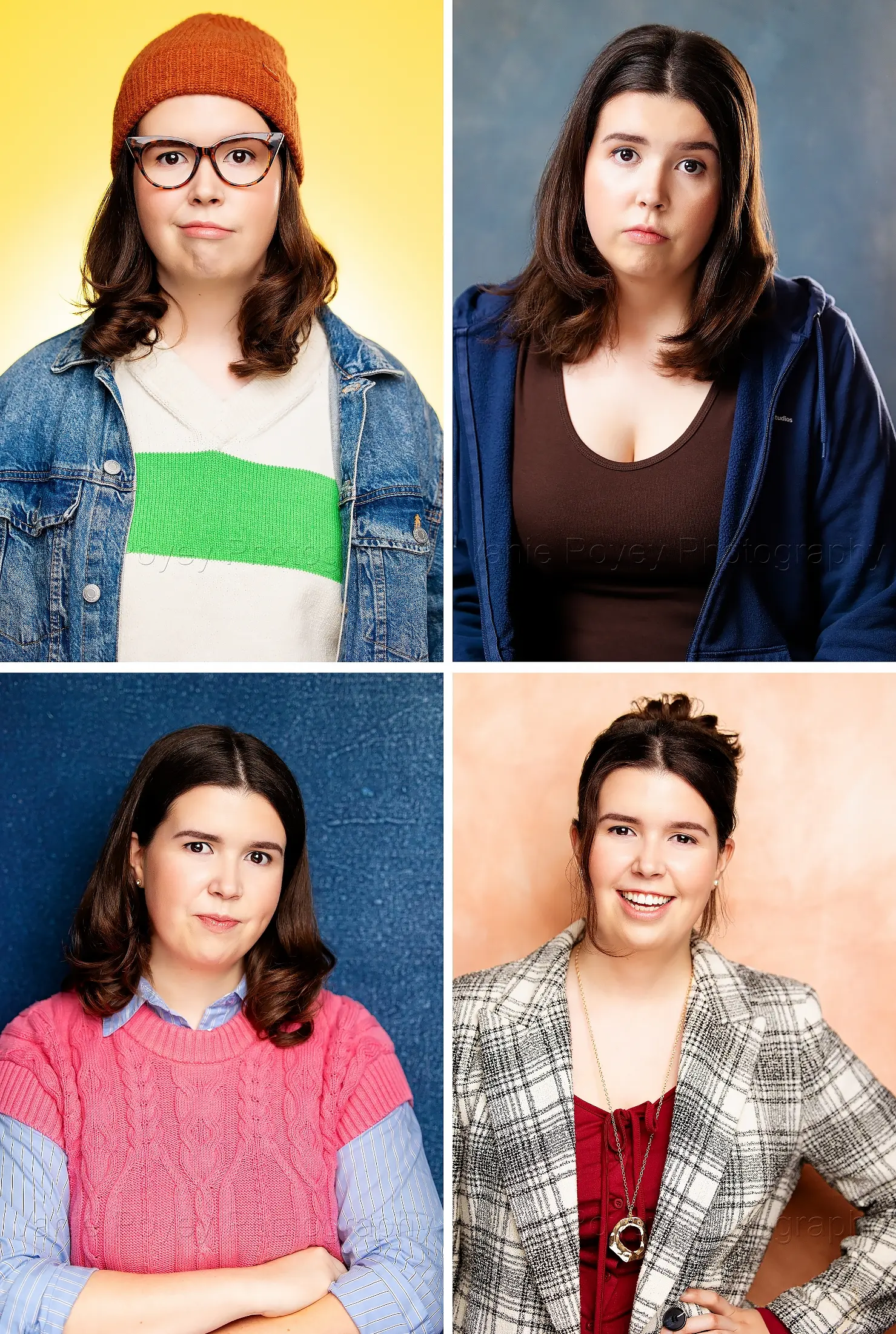
This is one of the most common mistakes actors make. You get called in based on your headshot, and then you walk through the door looking nothing like it. That disconnect breaks trust immediately. Casting directors have said in countless interviews that this is a major frustration. Your professional acting headshots need to be a reliable preview of the person showing up to the audition, not an aspirational version of yourself.
If you’re unsure whether your current headshots are doing their job, ask yourself whether you have a competitive headshot by looking at what’s working for actors at your level in your market.
How Do You Know When Your Headshots Are No Longer Working?
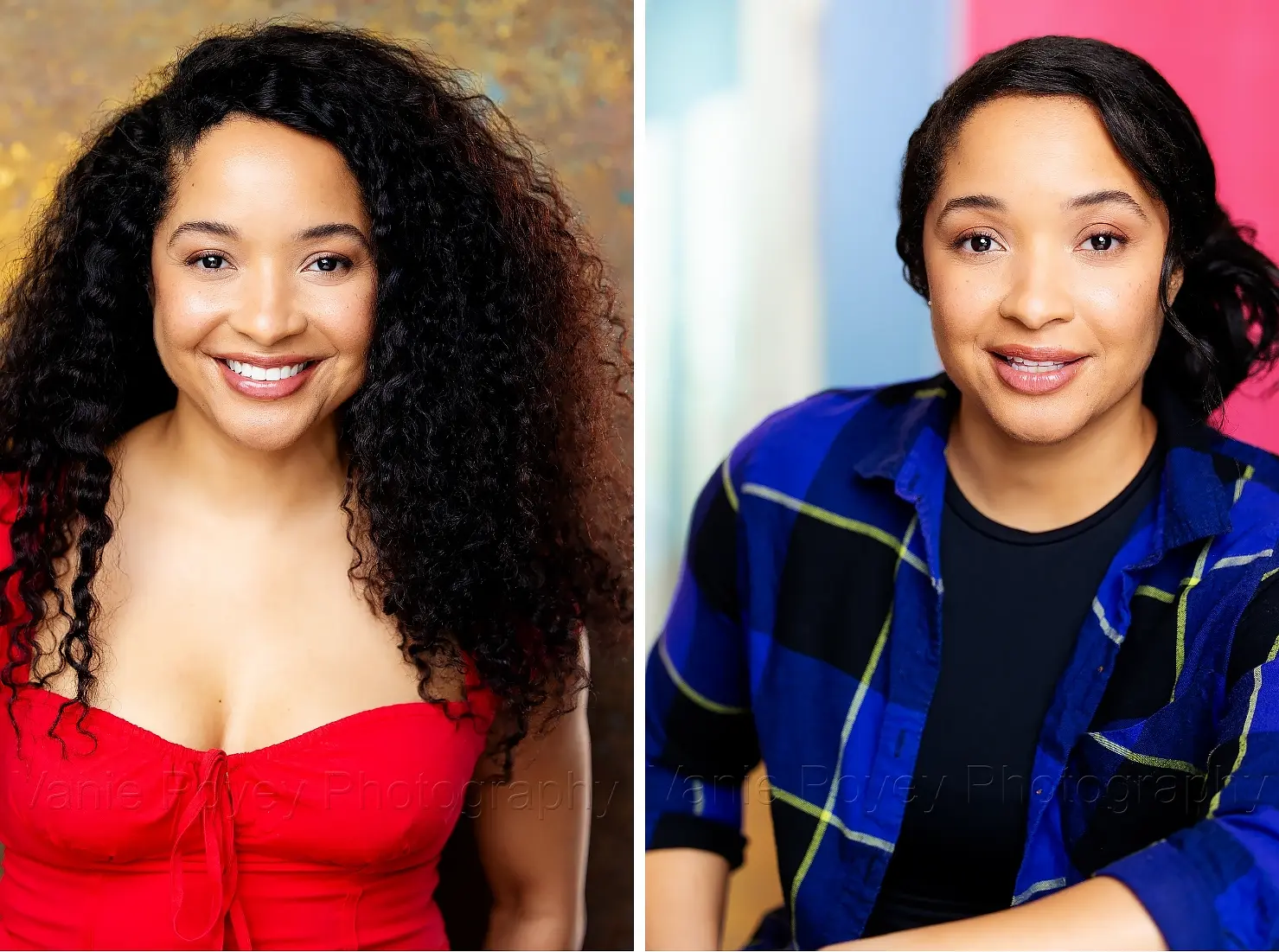
The clearest signal is simple: you’re submitting regularly but not getting called in. That’s the headshot talking. Other signs include feedback from agents or managers that your photos aren’t representing you well, or realizing that your look has changed significantly since your last session. The most common headshot mistake is holding onto images that no longer serve you because the session was expensive. Don’t let sunk cost keep you from being competitive.
Your headshot is the first handshake you extend to the industry. Make sure it’s a firm one. If you’re ready to take actor headshots that actually get you in the room, working with an experienced acting headshot photographer who understands your market is the single most important investment you can make in your career right now. Visit Poyeyphotos.com to learn more about what sets a great headshot session apart from an average one.
Frequently Asked Questions
What is the main purpose of actor headshots?
The primary purpose of actor headshots is to get you called in for auditions. They function as a marketing tool that communicates your type, energy, and castability to casting directors, agents, and managers in a single image.
How are theatrical headshots different from corporate headshots?
Theatrical headshots are designed to communicate character, specificity, and performance energy rather than general professionalism. While corporate headshots prioritize approachability and competence, theatre headshots need to convey who you are as a performer and what kinds of roles you can play.
What should professional acting headshots include?
Professional acting headshots should include an expression that feels genuine and specific, wardrobe that reflects your actual type, and lighting and framing that serves your castability rather than just the photographer’s style. The image should look exactly like you at your best in real life.
How often should actors get new actress headshots?
Actress headshots should be updated any time your appearance changes significantly, including hair, weight, or age. As a general rule, most working actors revisit their headshots every one to two years to stay current and competitive in their market.
What makes an acting headshot photographer the right choice for actors?
An acting headshot photographer who specializes in performers understands how casting directors read images, how to draw out genuine expression, and how to reflect a client’s type rather than just create a flattering portrait. Choosing a photographer with a track record in the industry makes a measurable difference in the quality and effectiveness of your headshots.
Can a bad headshot hurt an actor’s career?
Yes, absolutely. A headshot that looks outdated, overly retouched, or fails to reflect your actual type can prevent you from getting called in even when your skills are strong. It can also create a disconnect when you arrive at an audition looking different from your submitted photo, which damages credibility with casting immediately.
If your current headshots aren’t getting you called in, it may be time for a fresh set that truly represents who you are as an actor today. Reach out to discuss your next session.
These are beautiful headshots. Very professional!
Thanks for offering these comprehensive gathering places for questions that I am sure everyone has when navigating this process.