


Everyone has an opinion about actor headshots. Your acting coach has rules. Your friend who just booked a commercial has rules. That photographer with 10,000 Instagram followers definitely has rules. And somewhere in the middle of all that noise, you are supposed to figure out what actually makes a great headshot. Here is the truth: the “rules” that circulate in acting communities are often misunderstood, oversimplified, or just flat-out wrong for your specific situation. The actors who book consistently are not the ones who followed every rule perfectly. They are the ones who understood the purpose behind each rule and then made smart, intentional choices. That is what we are going to talk about today.
What Is the Real Purpose of Actor Headshots?
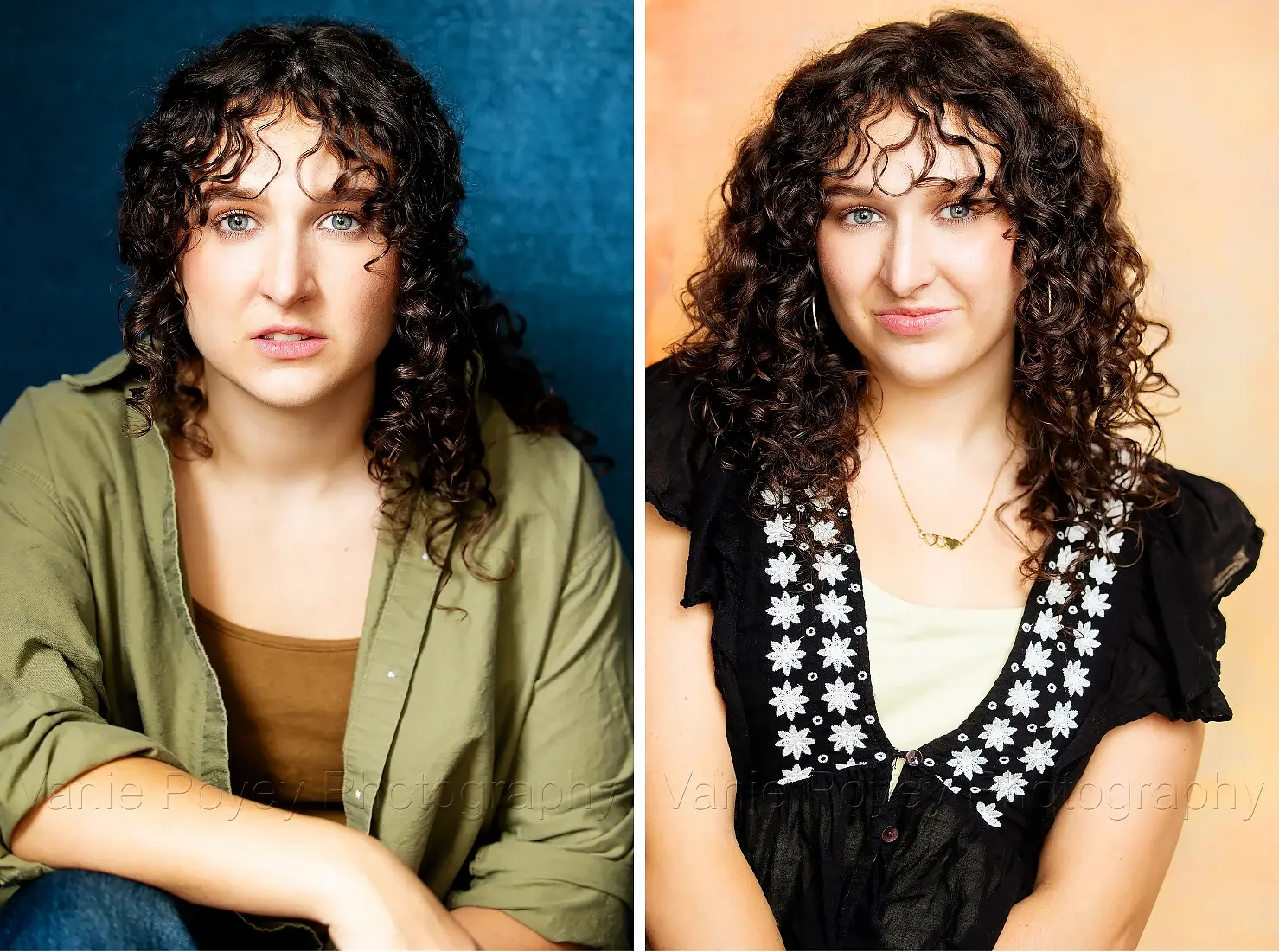
Before you can break a rule intelligently, you have to understand what headshots are actually supposed to do. A headshot is not a portrait. It is not a glamour shot. It is a marketing tool, and its only job is to get you into the room.
Casting directors are looking at hundreds, sometimes thousands, of submissions. Industry research consistently shows that casting professionals spend only a few seconds on each image (source: Backstage). That means your professional acting headshot has to communicate your type, your energy, and your personality in an instant. If it does not, no amount of technical perfection will save it.
Why Does “Looking Like Yourself” Matter More Than Looking Perfect?
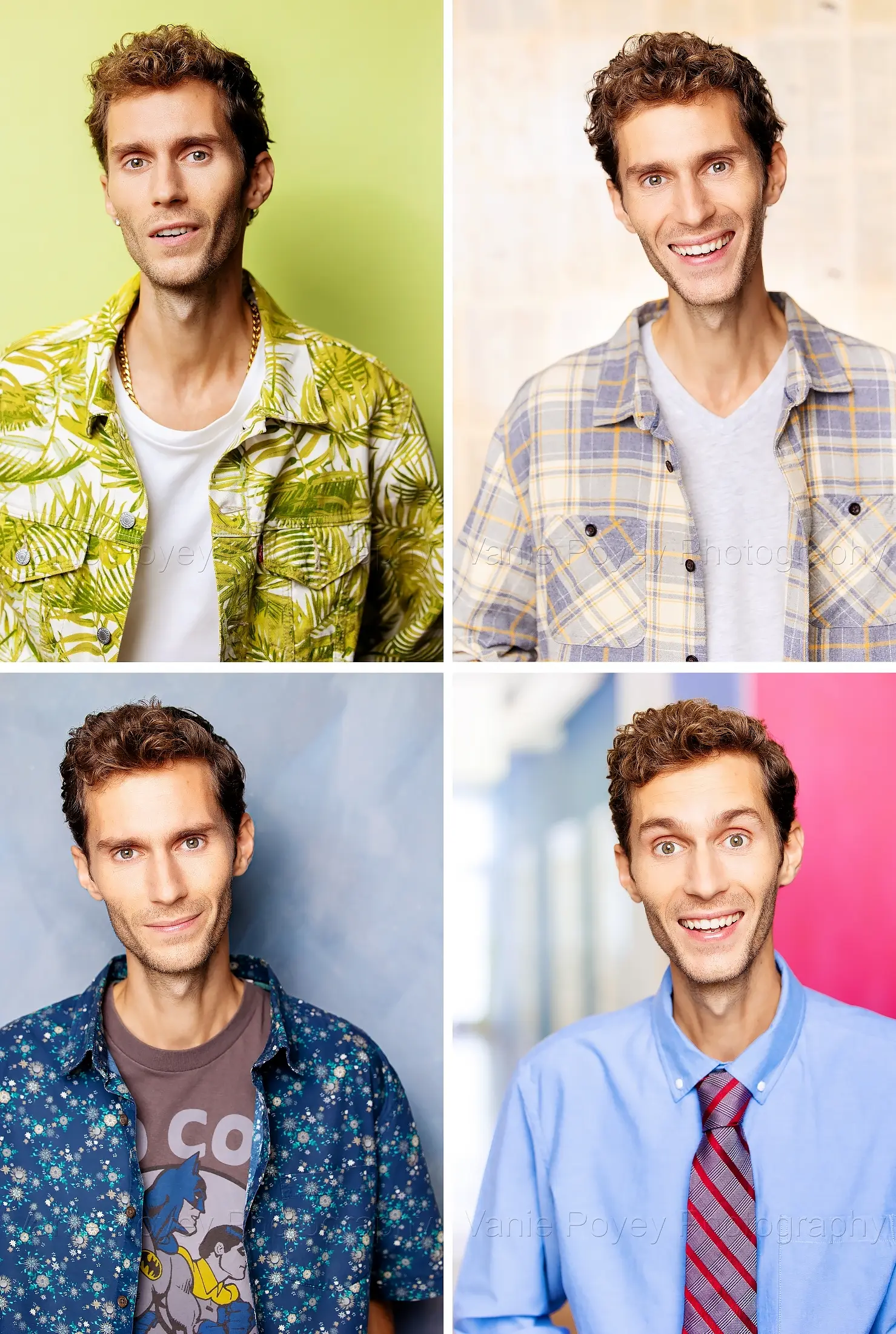
The most important thing a headshot can do is look like you on your best day, not a version of you that has been lit, posed, and retouched into someone unrecognizable. Casting directors get frustrated when an actor walks in and looks nothing like their photo. That disconnect destroys trust immediately, and trust is everything in this industry.
This is why understanding your type before your headshot session is so critical. When you know your type, you can make choices that support it rather than fight against it.
Which Headshot “Rules” Are Worth Keeping?
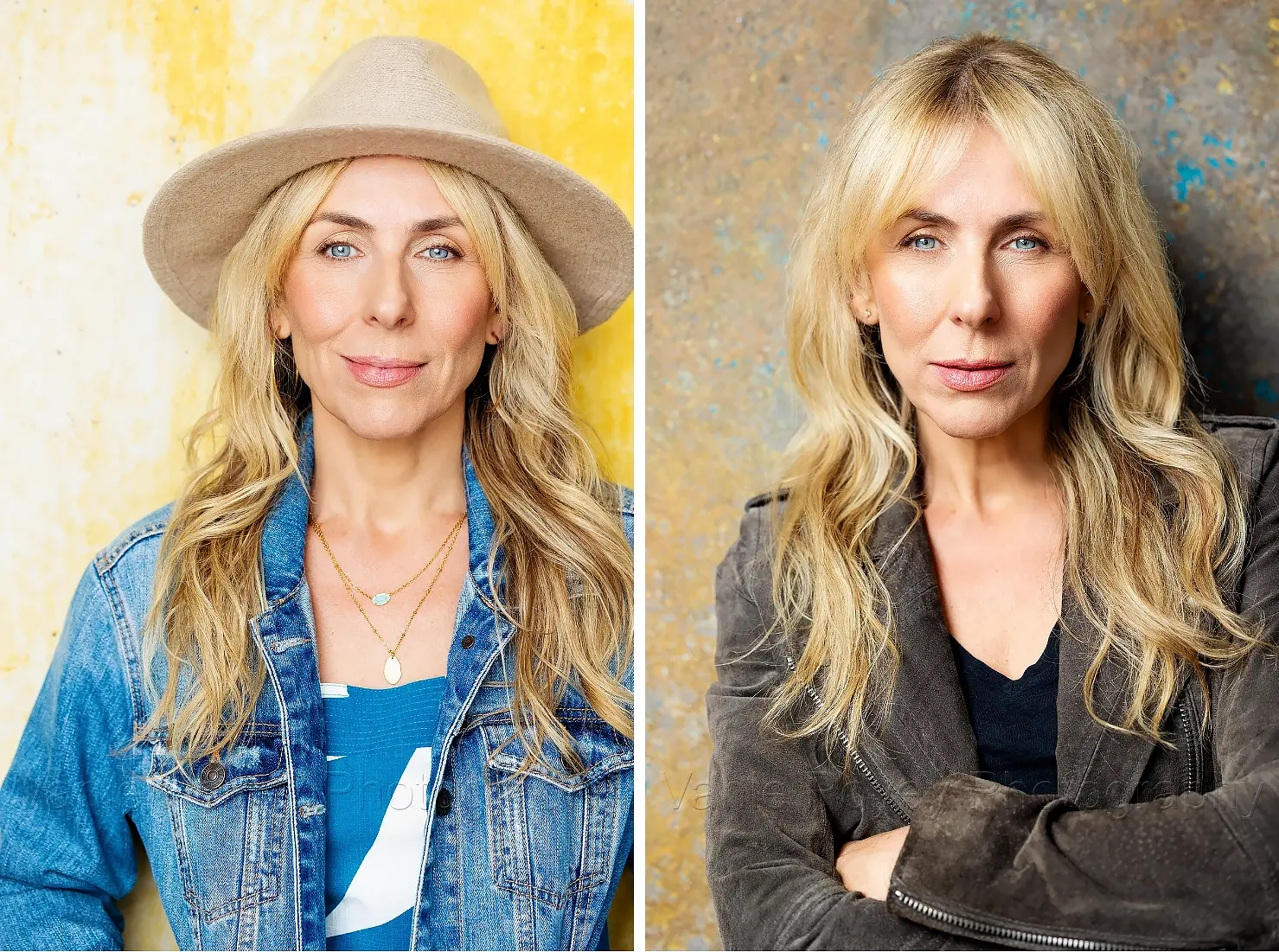
Not every rule is worth tossing out. Some exist for genuinely good reasons. The key is knowing the difference between a rule that serves your marketing goals and one that is just recycled conventional wisdom.
Should You Always Use a Plain Background?
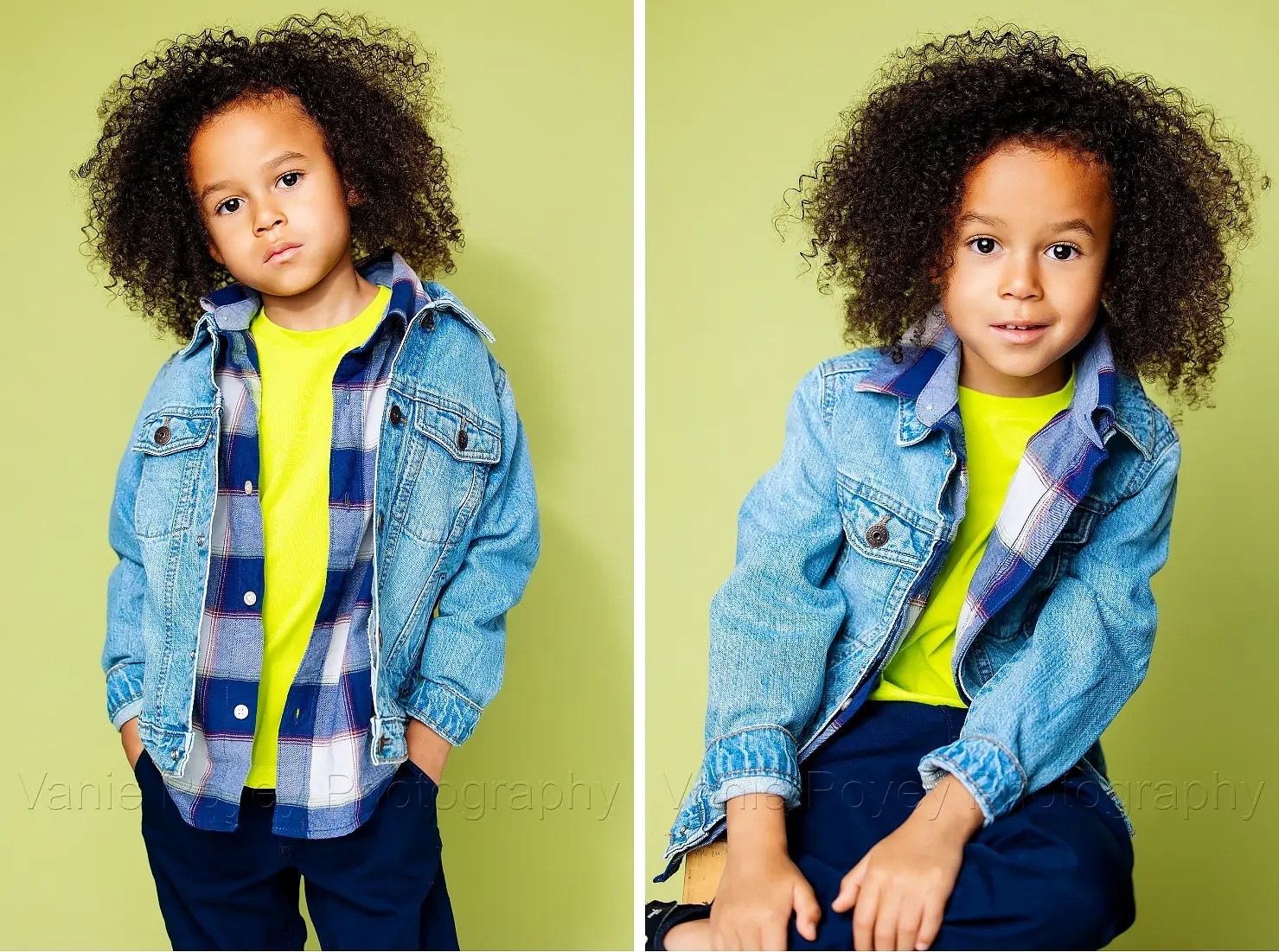
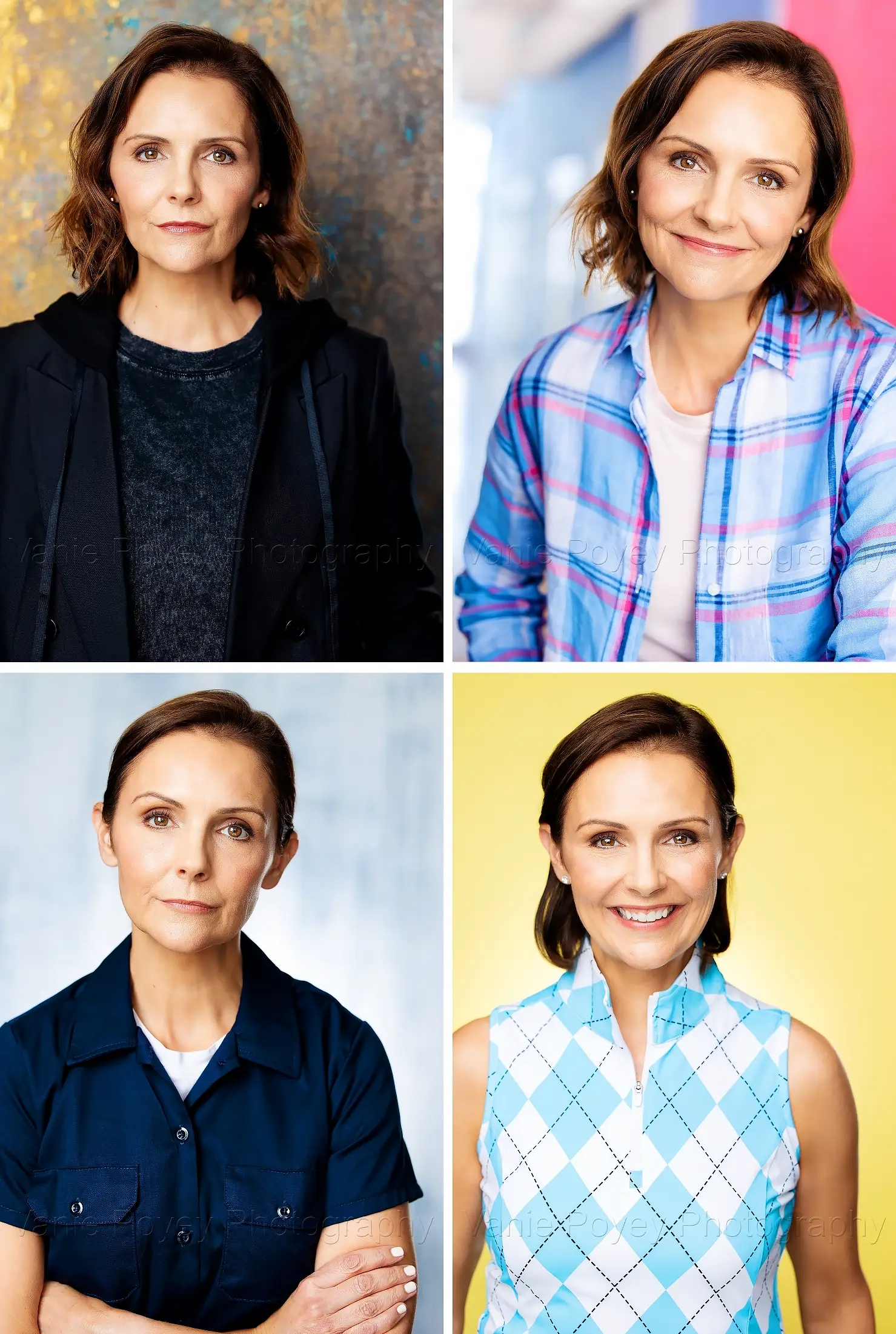
Plain backgrounds work for most actors because they keep the focus on your face. That is the right instinct. But the rule becomes a problem when people interpret “plain” as “boring gray” and end up with a headshot that blends into every other submission in the pile. The background should complement your skin tone and your type, not just default to whatever is easiest for the photographer.
Does Wardrobe Really Matter That Much?
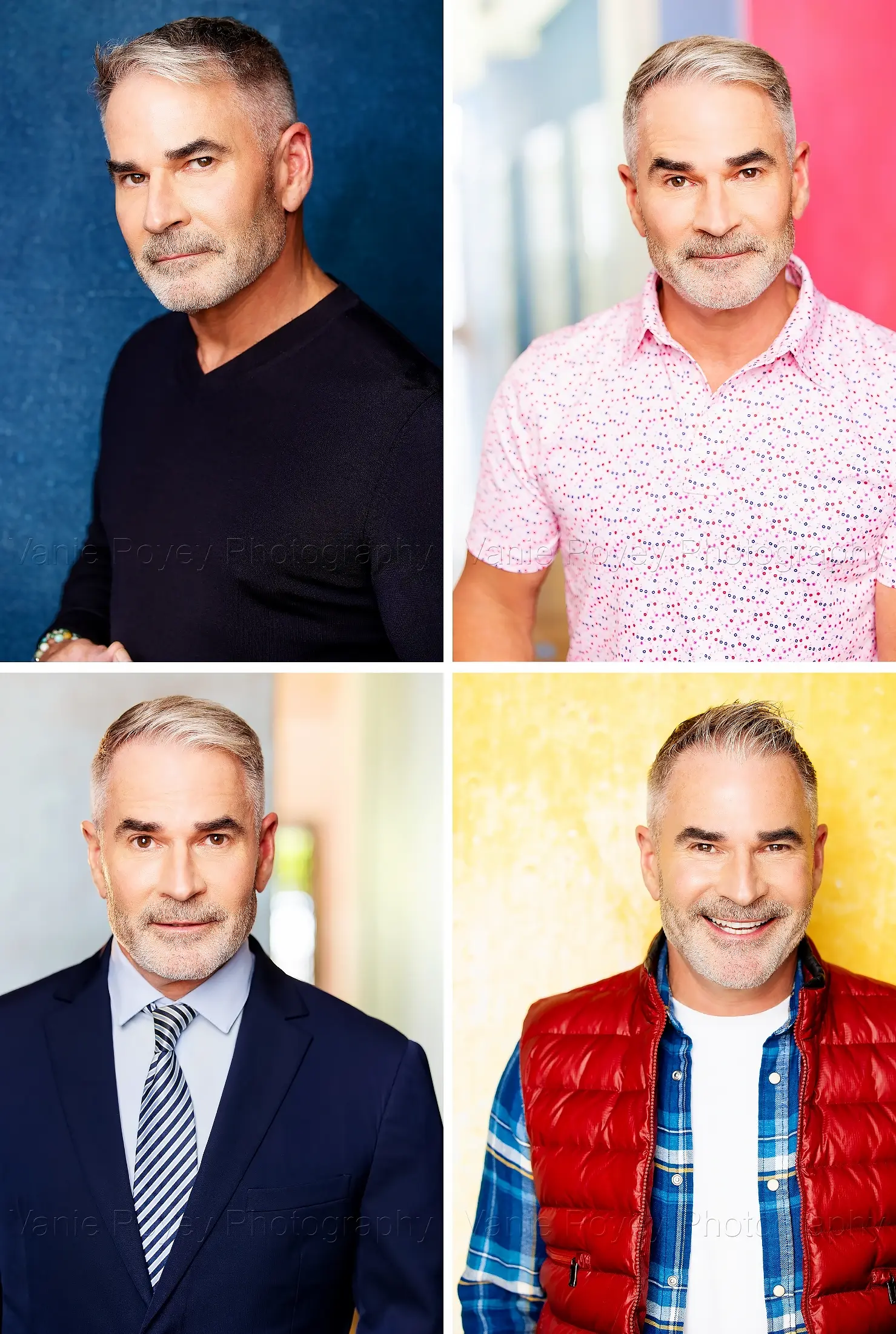
Yes, wardrobe matters enormously, but not in the way most actors think. It is not about wearing something fashionable or flattering in a general sense. It is about wearing something that tells casting exactly who you are and what roles you are right for. A well-chosen shirt can communicate your entire brand without a single word. Learning how to use wardrobe effectively for your headshots is one of the highest-leverage things you can do before your session.
Consider these wardrobe principles that actually hold up:
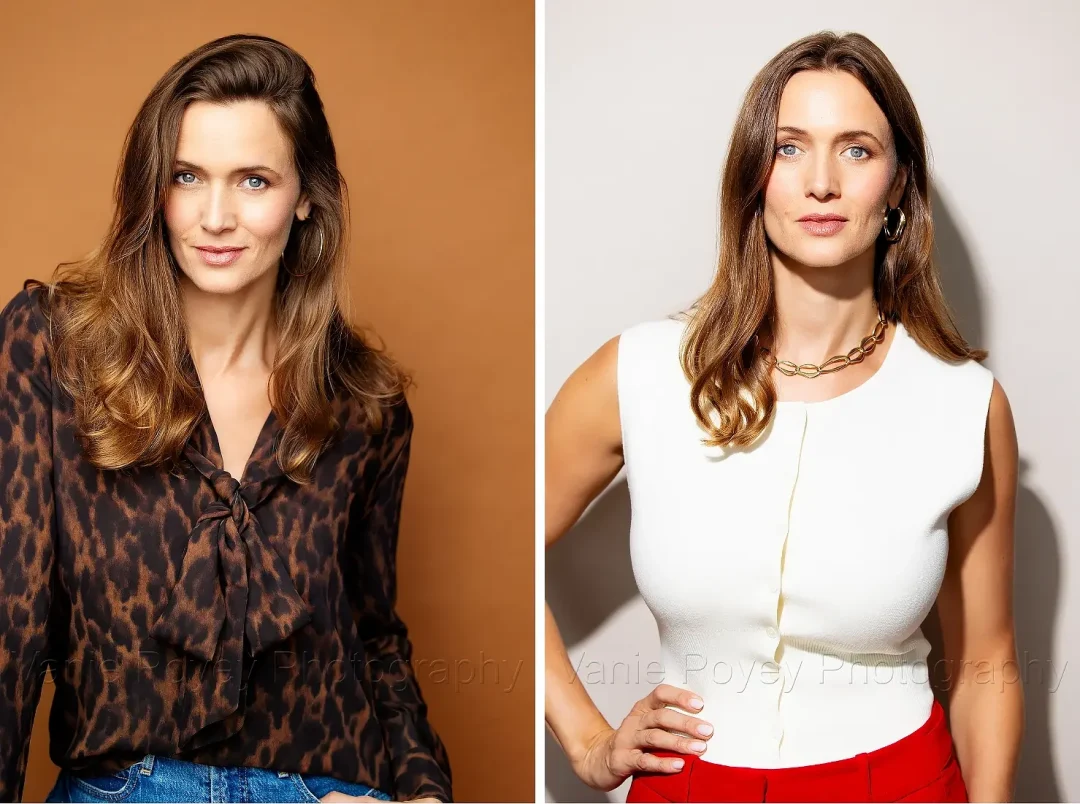
- Patterns are fine as long as your background stays simple so nothing competes with your face
- Choose colors that work with your skin tone, not against it
- Dress for the roles you want, not the roles you have been cast in
- Bring multiple options so you have flexibility on the day of the shoot
- White and pastels are fine too, AI-assisted post-production keeps them from blowing out or flattening your look
What Rules Can You Actually Afford to Break?
Here is where it gets interesting. Some of the most commonly repeated headshot rules are the ones that hold actors back the most. Breaking them intentionally, with a clear strategy, can actually make your theatrical headshots stand out in a saturated market.
Do Actress Headshots Always Need to Look “Soft” or Approachable?
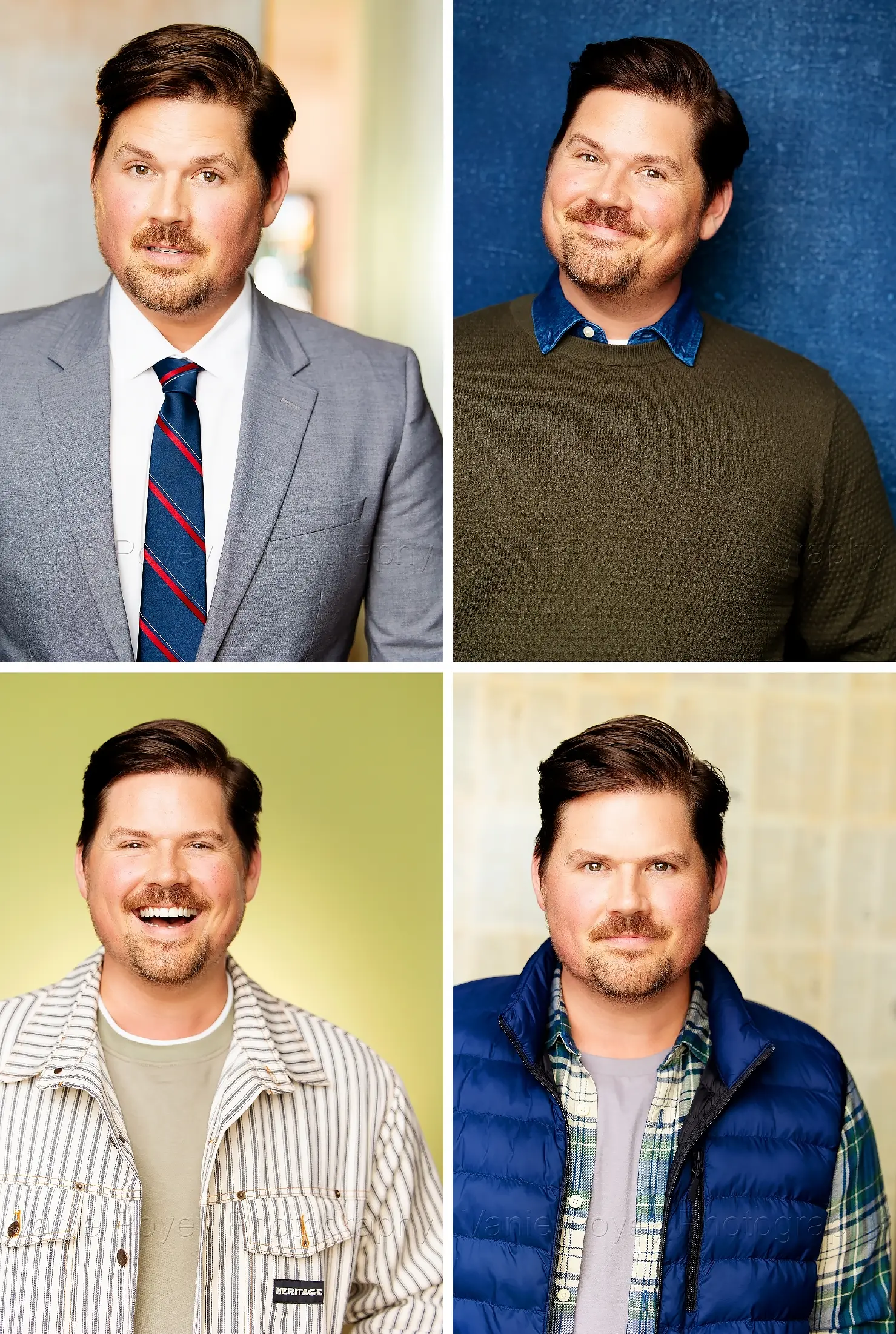
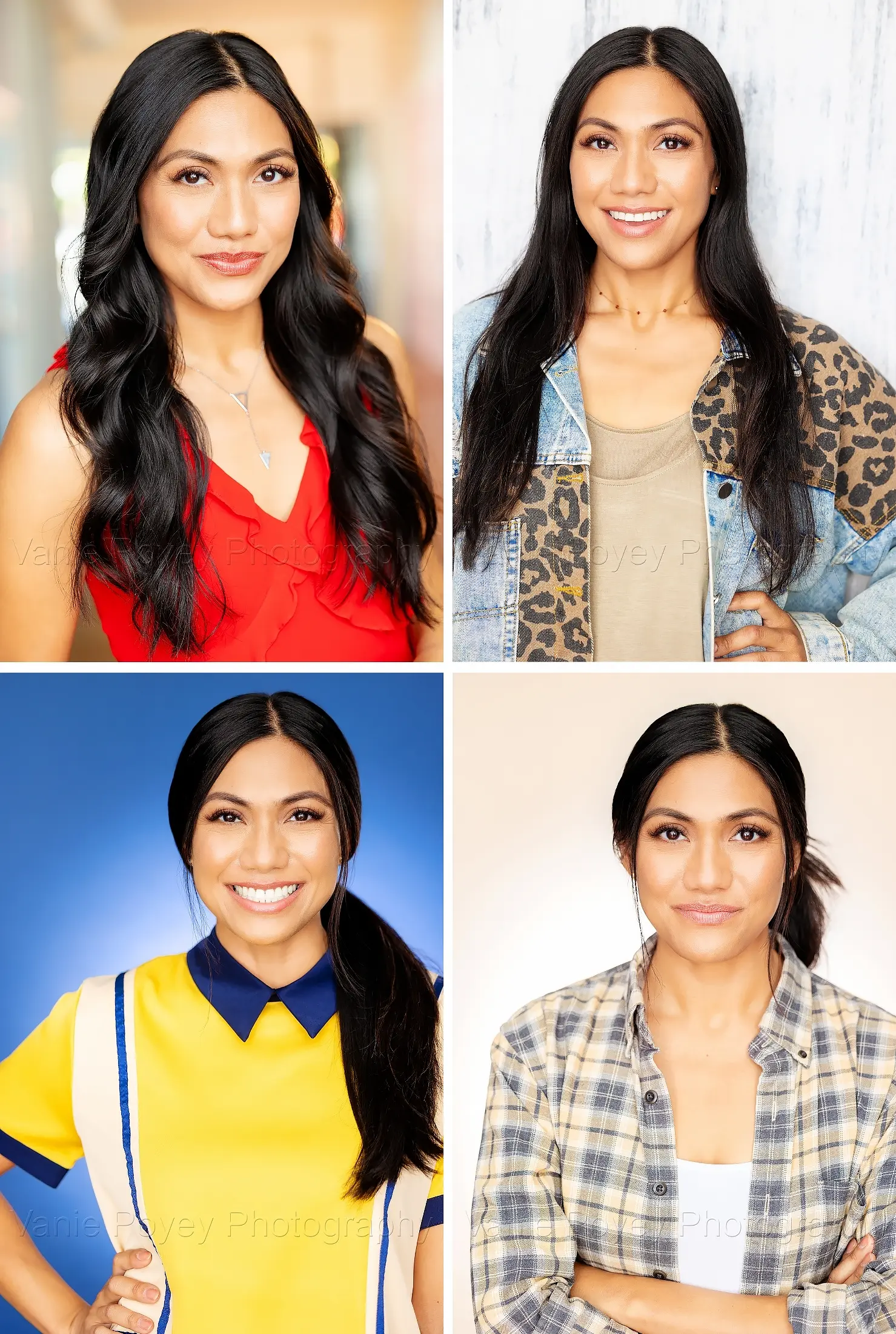
This is one of the most damaging assumptions in the industry. Actress headshots are routinely pushed toward soft lighting, gentle expressions, and an almost generic warmth that ends up communicating nothing specific. If your brand is sharp, edgy, or complex, a “soft and approachable” headshot is working against you. The goal is specificity, not likability. The most important thing your headshot conveys is not a mood, it is you.
Does Every Look Need to Be a Traditional “Actor Face”?
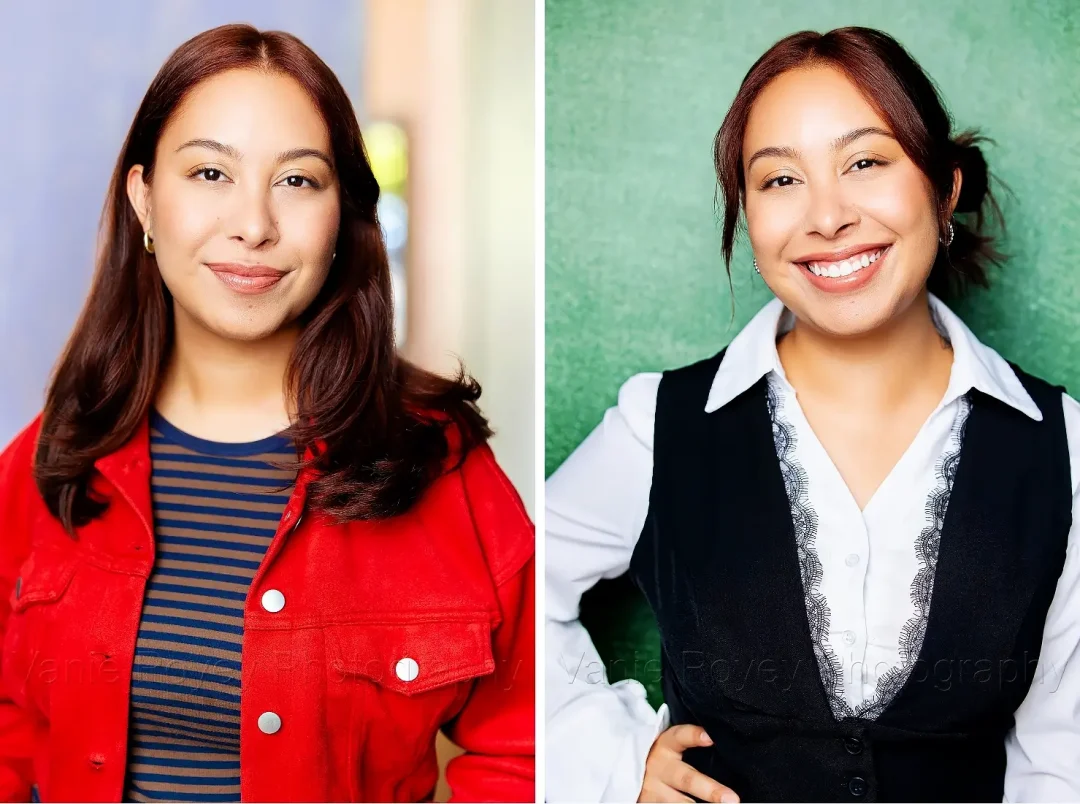
There is a phenomenon in professional acting headshots where everyone starts to look the same. Same slight smile, same direct gaze, same neutral expression. Casting directors notice this, and it works against you. Your job is not to look like an actor. Your job is to look like a specific, compelling, castable person. That sometimes means breaking the unwritten rule about what an “actor face” is supposed to look like.
Research on visual attention supports this. Studies on first impressions show that people form judgments about a face within milliseconds (source: Psychological Science). If your headshot triggers the same response as every other photo in the pile, you have already lost.
Is It Ever Okay to Show Personality in a Theatrical Headshot?
Absolutely, and in most cases, it is not just okay, it is necessary. Theatre headshots and theatrical headshots for film and television are doing slightly different jobs, but both need to show something real about who you are. A headshot with genuine personality will always outperform a technically perfect but emotionally empty one. Understanding which headshot rules actually apply to your situation is what separates actors who get calls from actors who get ignored.
How Do You Find an Acting Headshot Photographer Who Gets It?
The photographer you choose has more influence over the outcome of your session than almost any other factor. A great acting headshot photographer is not just someone who knows how to use a camera. They understand the industry, they understand branding, and they know how to bring out something real in the people they photograph.
What Should You Look for When Choosing a Headshot Photographer?
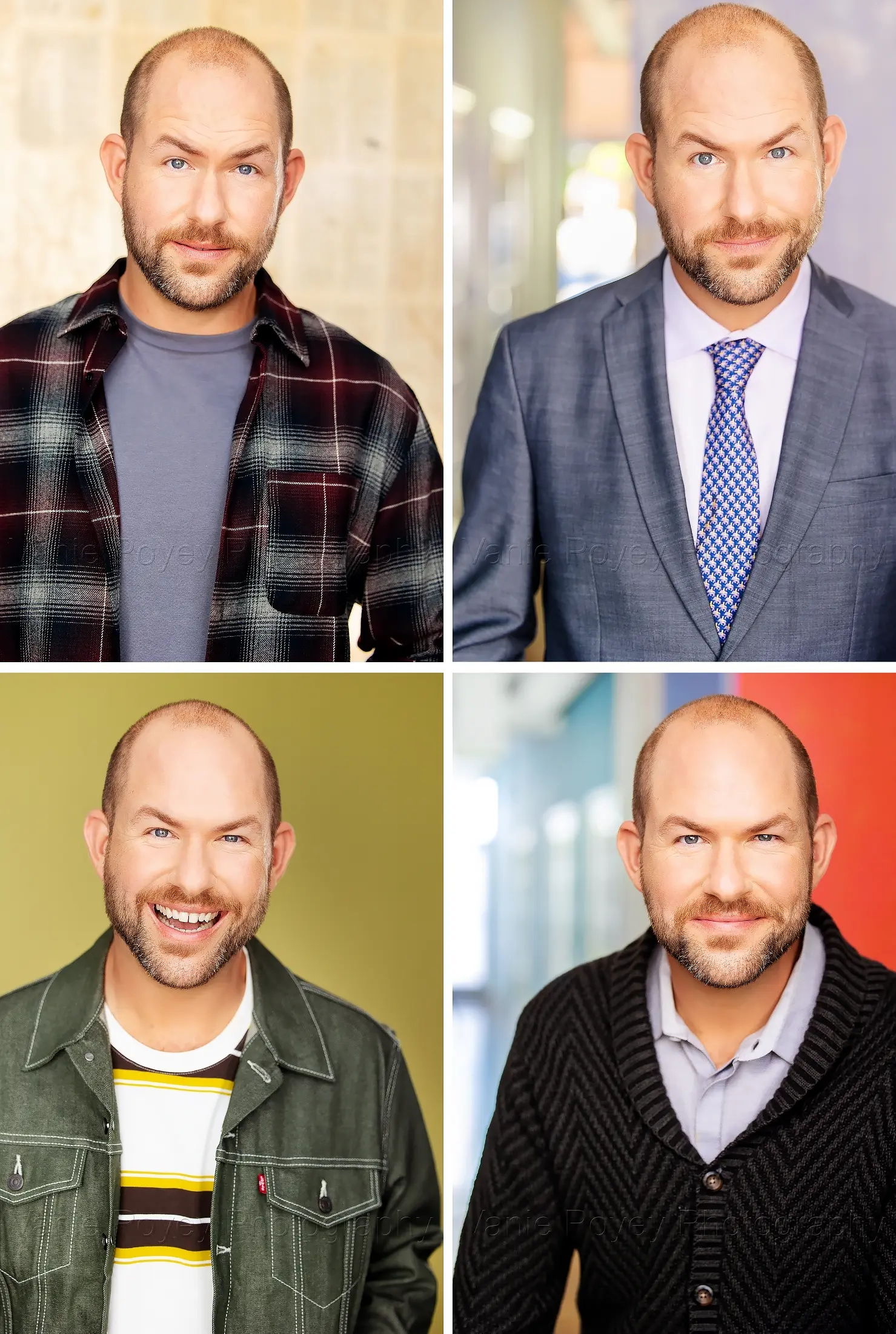
Look at their portfolio and ask yourself whether the people in those images look like real, castable humans or like polished, generic versions of themselves. Also ask whether the photographer does any kind of pre-session consultation. A good photographer needs specific information from you before the session even begins. If they do not ask for it, that tells you something important.
It also helps to know what questions to ask during the interview process. Interviewing photographers is a skill in itself, and most actors skip it entirely.
According to a LinkedIn study, profiles with professional headshots receive significantly more views and engagement than those without (source: LinkedIn). That data applies beyond LinkedIn. Every platform where your image appears is a first impression, and that impression is set in the first few seconds.
The bottom line is this: the rules around actor headshots exist to help you, but only if you understand why they exist. When you approach your session with a clear understanding of your type, your brand, and your goals, you can make every choice, including the unconventional ones, work in your favor. The actors who book are not the ones who followed the rules blindly. They are the ones who used the rules as tools.
If you are ready to stop guessing and start making headshots that actually work, visit poyeyphotos.com to learn more about what a strategic, experienced session looks like. Your headshot should be working for you every single day.
Frequently Asked Questions About Actor Headshots
What makes a professional acting headshot different from a regular portrait?
A professional acting headshot is a targeted marketing tool designed to communicate your type and personality to casting directors quickly. Unlike a portrait, it is built around your brand as an actor and the specific roles you are pursuing. Every element, including lighting, wardrobe, expression, and background, is chosen with that goal in mind.
How often should an actor update their headshots?
Most industry professionals recommend updating your actor headshots every one to two years, or any time your appearance changes significantly. If you have changed your hair, lost or gained weight, or simply aged out of a look, your current headshots may no longer represent you accurately. Casting directors want to know exactly what they are getting when you walk in the door.
What should actors wear for professional acting headshots?
Actors should wear clothing that reflects their type and the roles they are targeting, not just what looks good in a general sense. Patterns and lighter colors photograph just as well as solid colors these days thanks to AI-assisted post-production, and fitted clothing reads more clearly on camera than oversized or baggy options. Bring several wardrobe options to the session so you have flexibility.
Do actress headshots need to look different from actor headshots?
The principles are largely the same for actress headshots and actor headshots: both need to be specific, authentic, and representative of your type. Where they may differ is in the specific looks being captured and the roles being targeted. The most important thing for any performer is that the headshot looks like them and communicates something true.
What is the difference between theatrical headshots and commercial headshots?
Theatrical headshots are typically used for film, television, and stage submissions and tend to have a more grounded, sometimes more intense quality. Commercial headshots usually aim for a warmer, more approachable look that appeals to a broader audience. Many actors benefit from having both types in their portfolio.
How do you know if your acting headshot photographer is the right fit?
The right acting headshot photographer will ask you questions about your type, your goals, and the roles you are targeting before the session begins. Review their portfolio for consistency and authenticity, not just technical polish. If every person in their portfolio looks the same, that is a warning sign.
If you are serious about getting actor headshots that actually open doors, working with a photographer who understands the industry is the single most important investment you can make. Reach out and start the conversation today!
Thanks Vanie for the tips! I’m looking to jump back into the biz and these tips are helpful for me to evaluate what I want to project to get the roles suited for me. Hope to catch one of your Detroit sessions in a few months!
Thank you. This was extremely informative.
The tips are sooooo on point Vanie. Wish everyone would understand this!!