


When it comes to actor headshots, there is a difference between headshots that exist and headshots that work. A lot of actors spend real money on a session and walk away with images that look fine — technically fine — but never get them a single call. That is not a coincidence. Effective actor headshots are the result of very specific choices made before, during, and after the session. If your headshots are sitting on Actors Access with nothing to show for it, chances are they are missing one or more of the elements that actually move the needle with casting directors and agents.
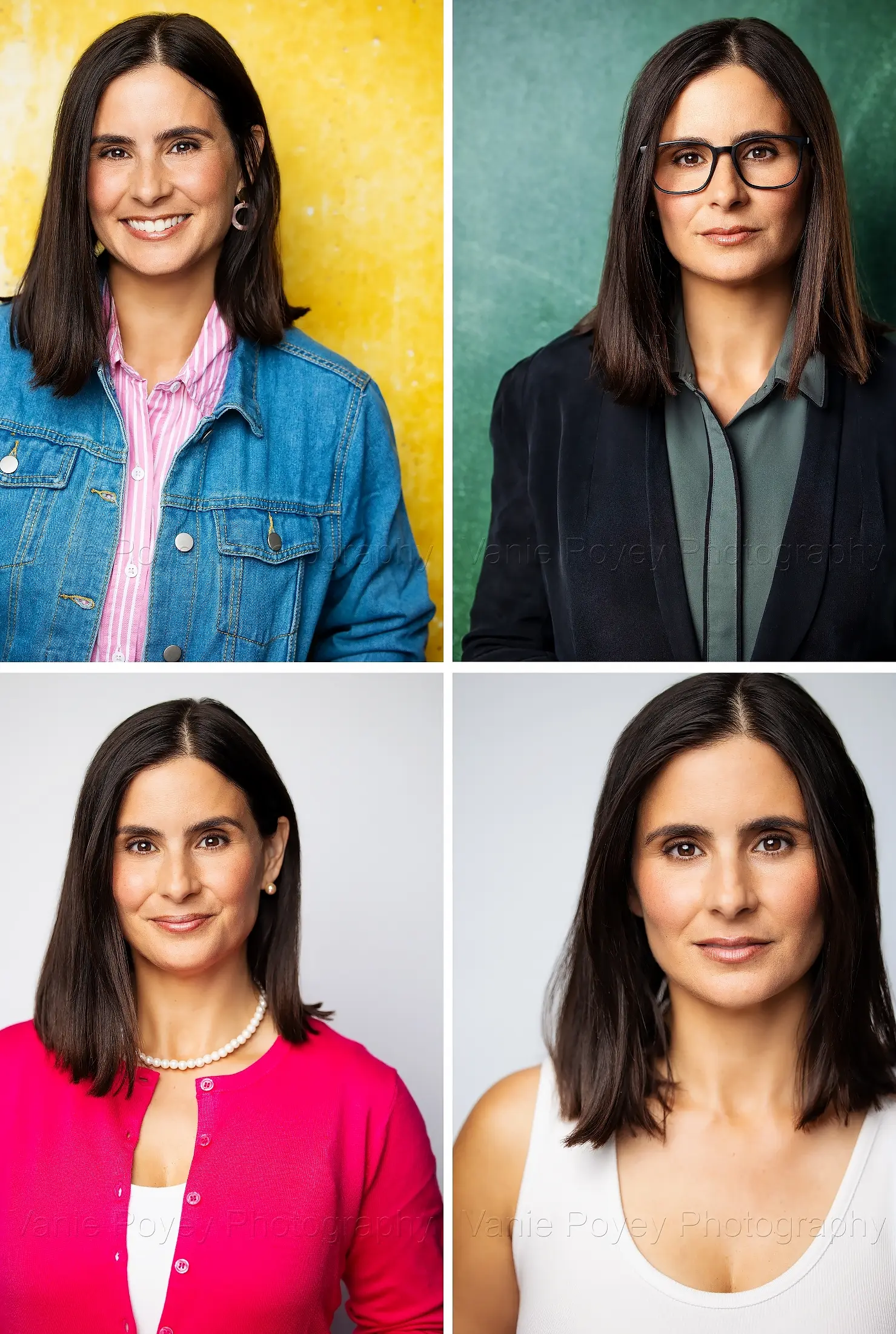
What Does “Effective” Actually Mean for Professional Acting Headshots?
Effective means the image does a job. It communicates who you are, what roles you belong in, and why someone should bring you in for an audition. It is not about looking your best in a generic sense. It is about looking like a specific, castable version of yourself.
A lot of actors conflate “pretty” or “polished” with “effective.” Those are not the same thing. Casting directors are not looking at your headshot and thinking about how attractive you are. They are asking one question: can this person fill this role? Your professional acting headshots need to answer that question before you ever walk through the door.
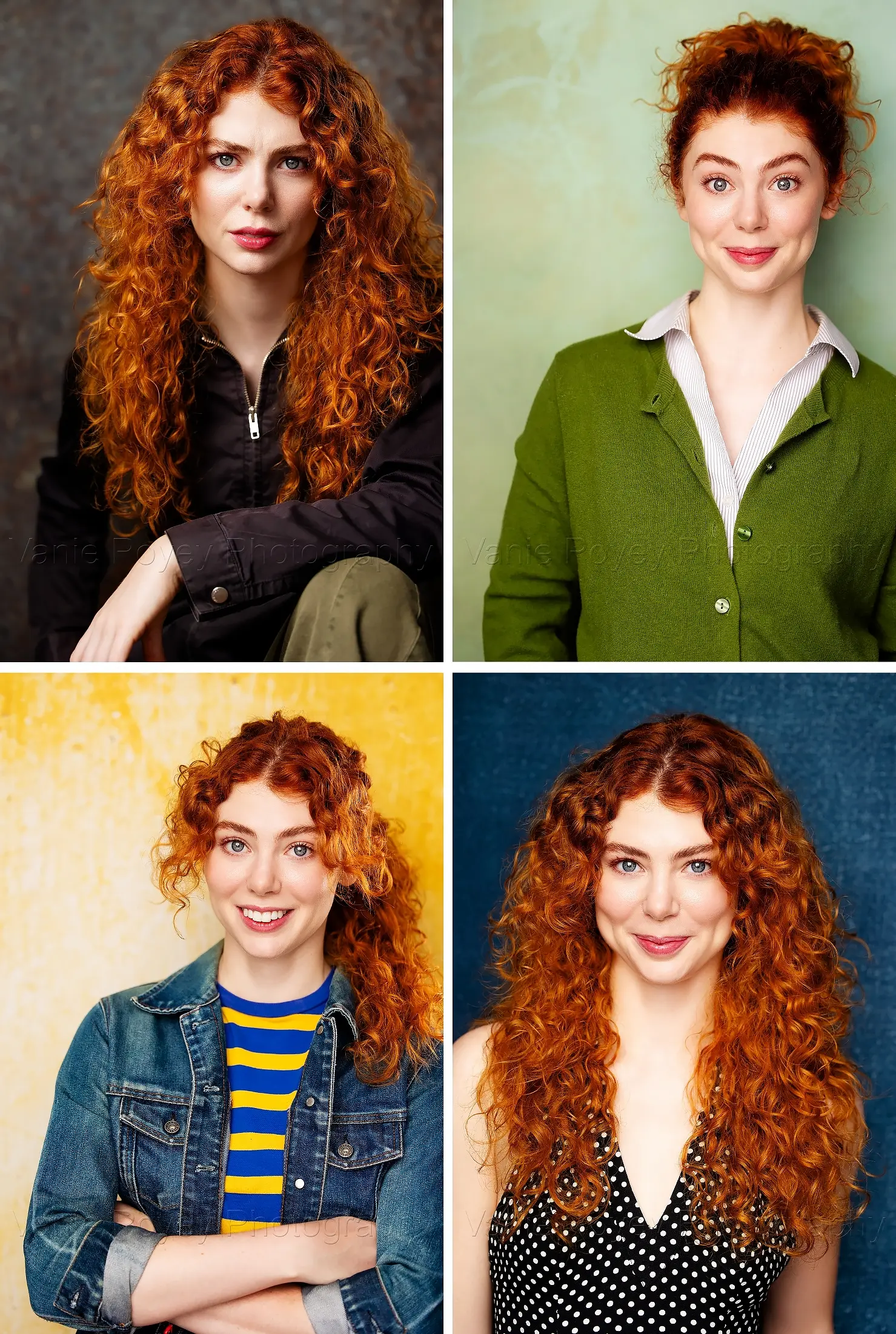
Why Do So Many Headshots Miss the Mark?
Because most actors go into a session without a clear strategy. They show up, they look nice, the photographer clicks away, and everybody calls it a day. But the headshots that come out of that kind of session tend to be vague. They could belong to anyone. And in a market like Los Angeles, vague does not book work.
According to research on first impressions, people form judgments about competence and trustworthiness within a tenth of a second of seeing a face (source: Association for Psychological Science). Your headshot has even less time than that to make an impression on someone scrolling through hundreds of submissions.
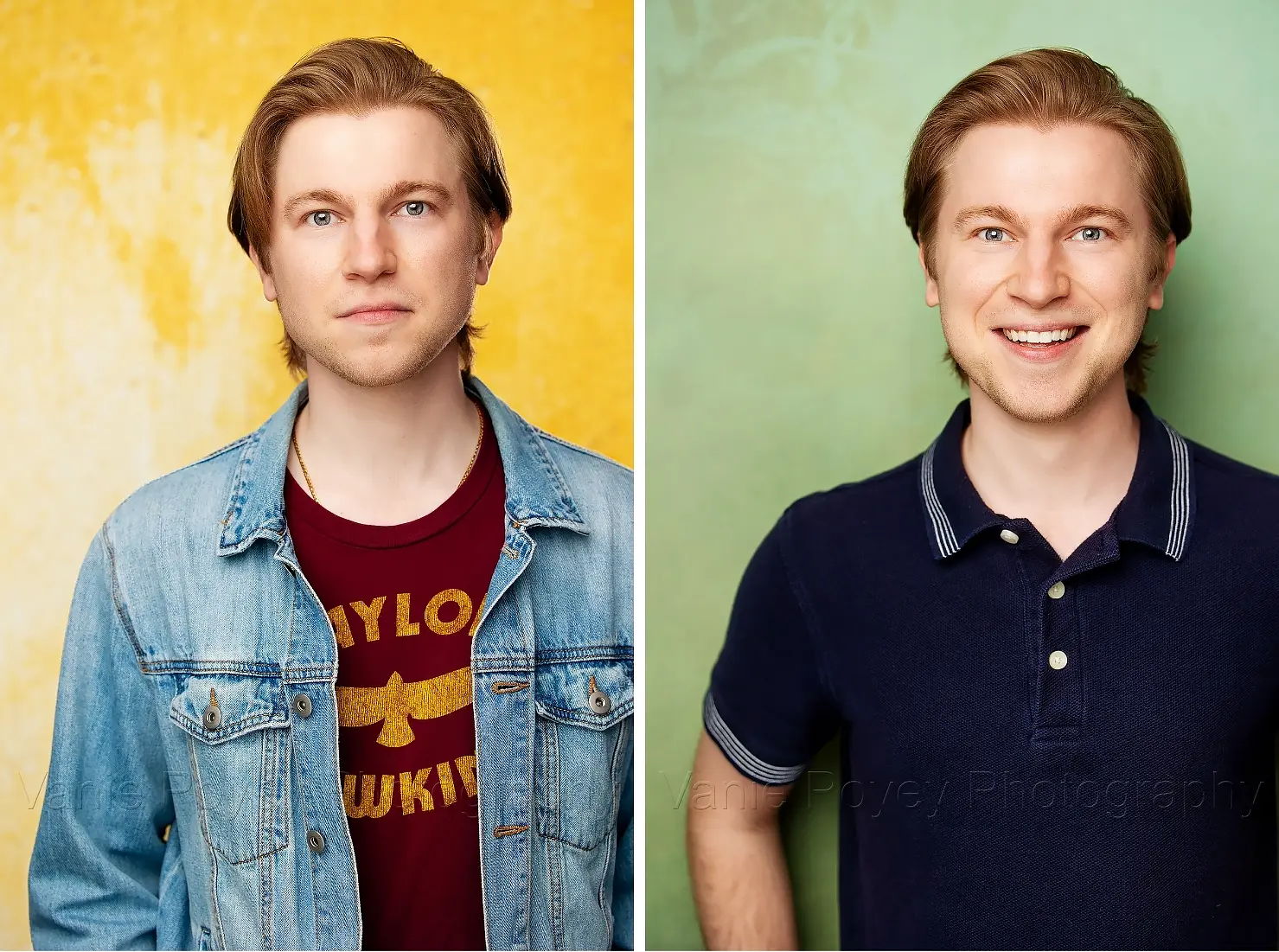
How Does Knowing Your Type Change Everything?
Knowing your type is the foundation of an effective headshot strategy. If you do not know who you are in the marketplace before you shoot, you are guessing. And guessing is expensive. Understanding your casting type before you step in front of the camera is what separates actors who get called in from actors who wonder why no one is responding.
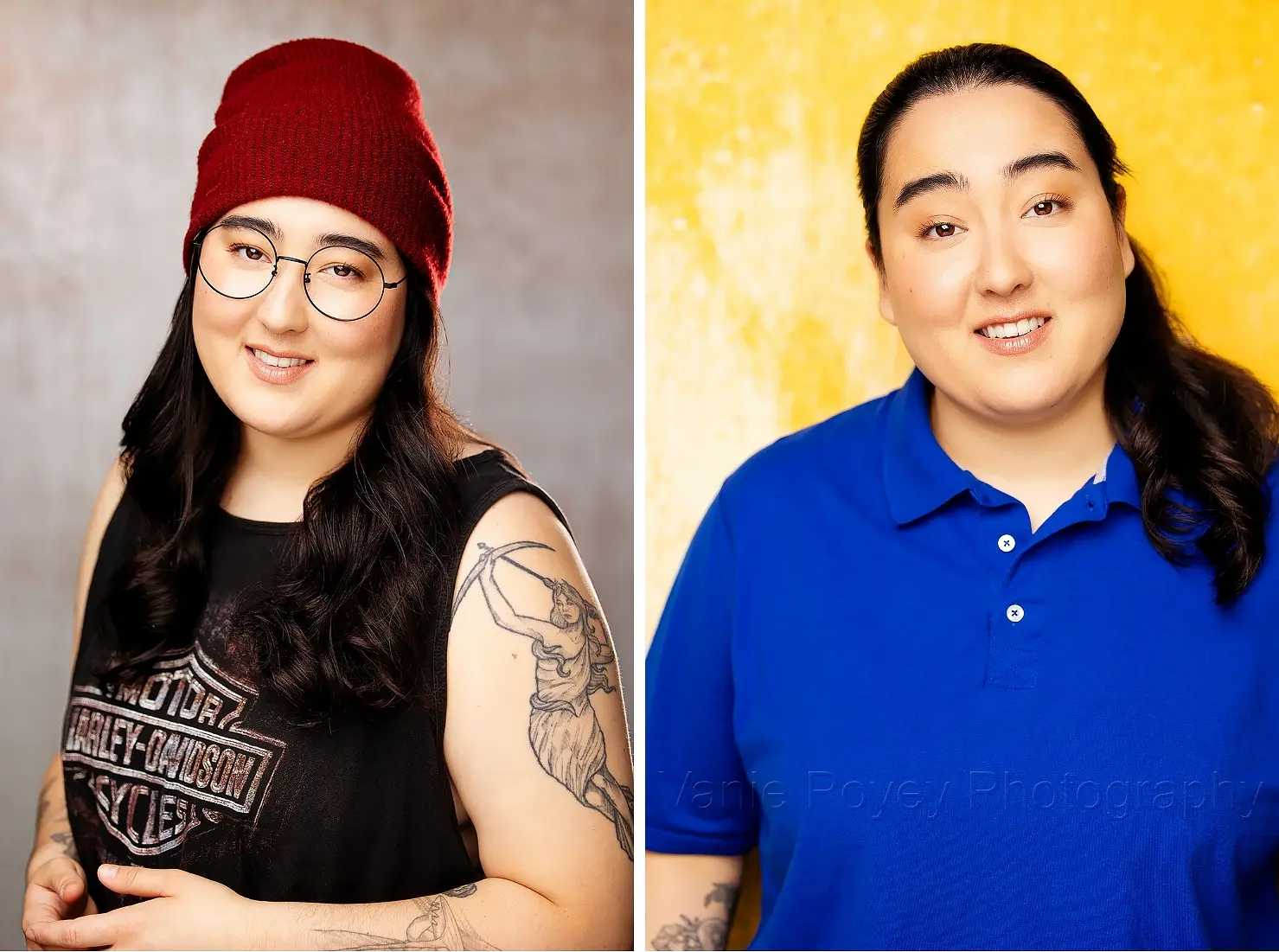
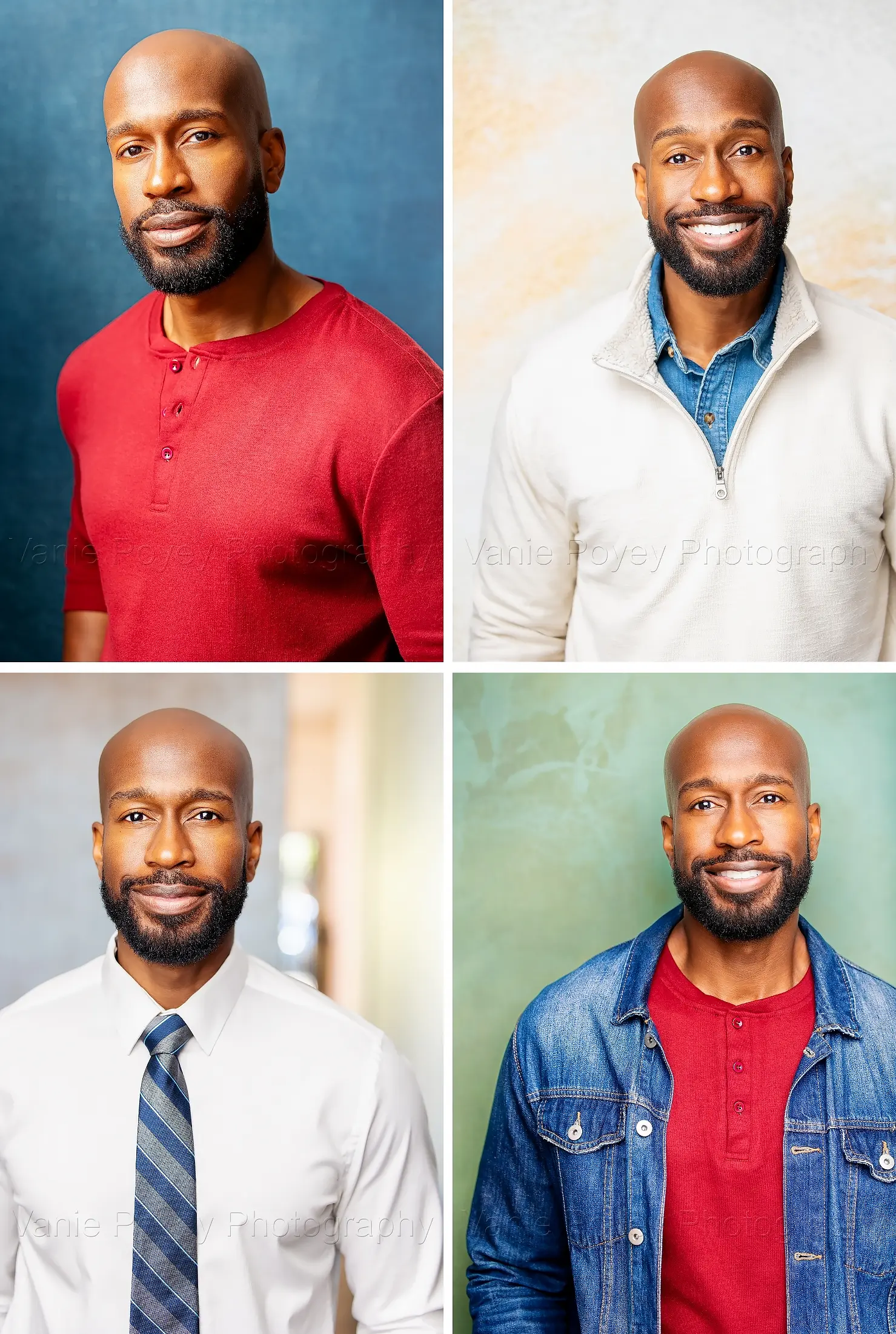
What Role Does Wardrobe Play in Theatrical Headshots?
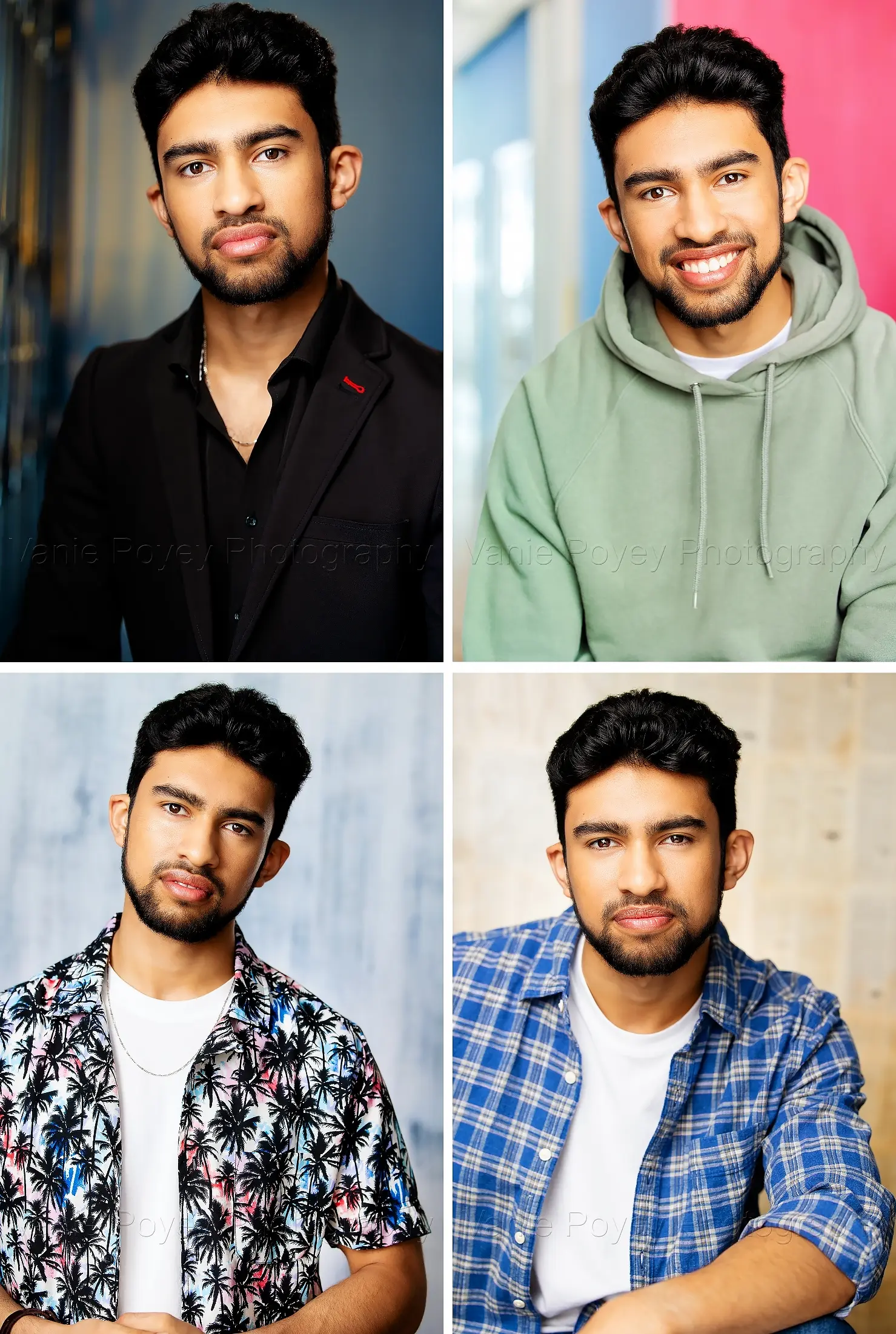
Wardrobe is doing more work than most actors realize. The clothes you wear in your theatrical headshots are communicating your type before anyone even looks at your eyes. The wrong outfit can undercut everything else going right in the image.
This is not about fashion. It is about function. Wardrobe in a headshot session is a storytelling tool. The right piece of clothing can instantly say “leading man,” “quirky best friend,” or “corporate villain” without a single word. Using wardrobe strategically is one of the fastest ways to make your headshots more targeted and more effective.
Some quick wardrobe principles that apply across the board:
- Solid colors tend to read better on camera than busy patterns
- Clothes should fit your body, not just your size
- Bring multiple options so you can shift between looks and types
- Avoid anything that screams “costume” unless it is intentional and strategic
- The neckline matters; it frames your face and affects the overall read of the shot
Should Actress Headshots Look Different From Actor Headshots?
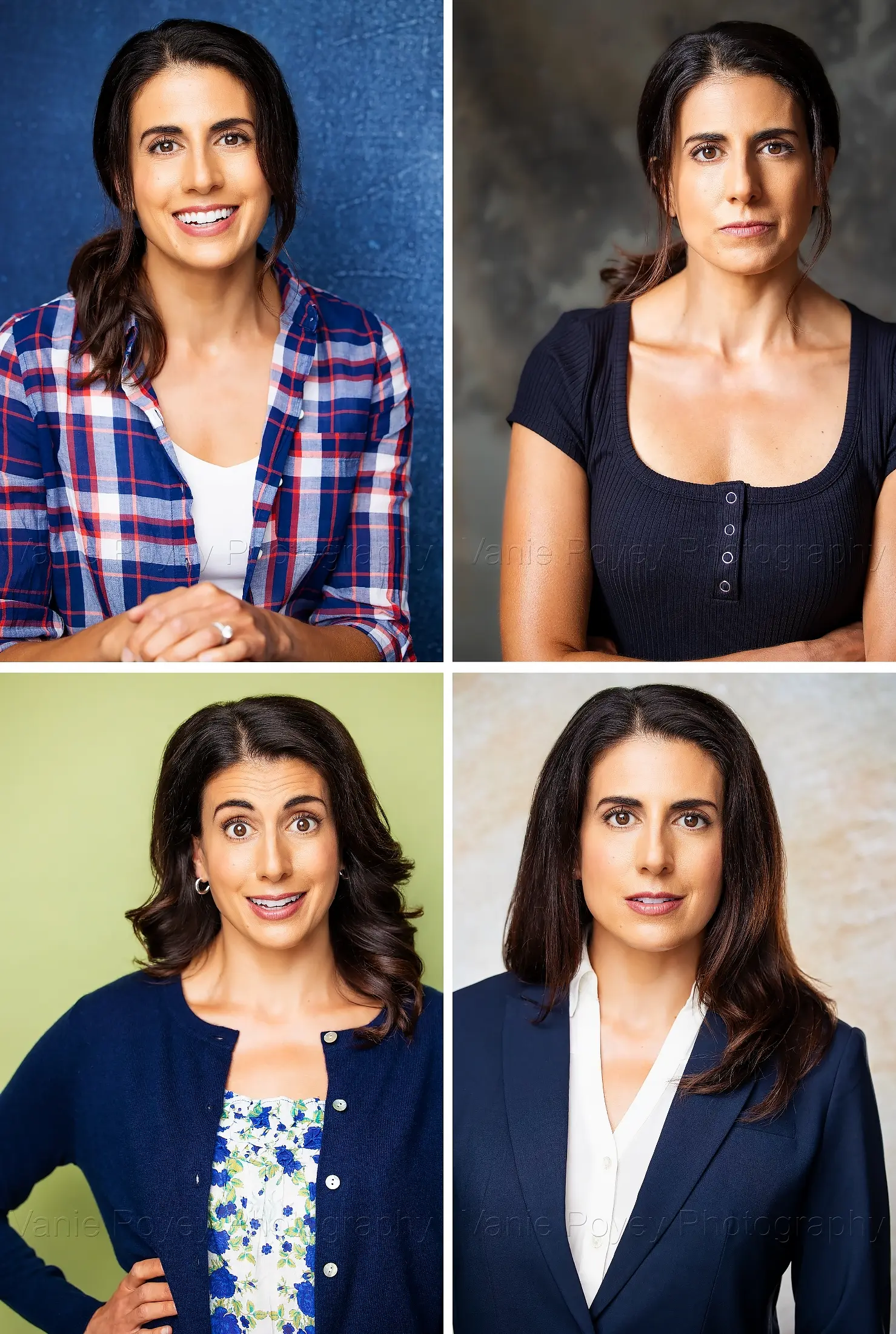
The principles are the same, but the execution often differs. Actress headshots frequently have more wardrobe and styling options to navigate, which means more decisions to make before the session. Hair, makeup, and clothing all interact in ways that can either sharpen or muddy the final image. That is one of the reasons having a professional makeup artist in your corner is worth seriously considering, especially if this is your first or second round of headshots.
What Should You Expect From a Strong Acting Headshot Photographer?
The right acting headshot photographer is not just someone with a good camera and a decent eye. They are someone who understands the entertainment industry, knows what casting directors respond to, and can actually direct you through a session so that what comes out on the other side is usable and specific.
A strong photographer brings a point of view. They are not just capturing whatever happens to be in front of the lens. They are building images with intention. What a professional headshot photographer should bring to the table goes well beyond technical skill. It includes industry knowledge, the ability to coach performance, and an understanding of what actually gets actors called in.
LinkedIn data consistently shows that profiles with professional headshots receive significantly more profile views and connection requests, with profiles featuring professional photos receiving up to 21 times more views (source: LinkedIn). While that stat lives in the professional world, the principle translates directly to actor submission platforms where your image is the first thing anyone sees.
What Is the Difference Between Commercial and Theatrical Headshots?
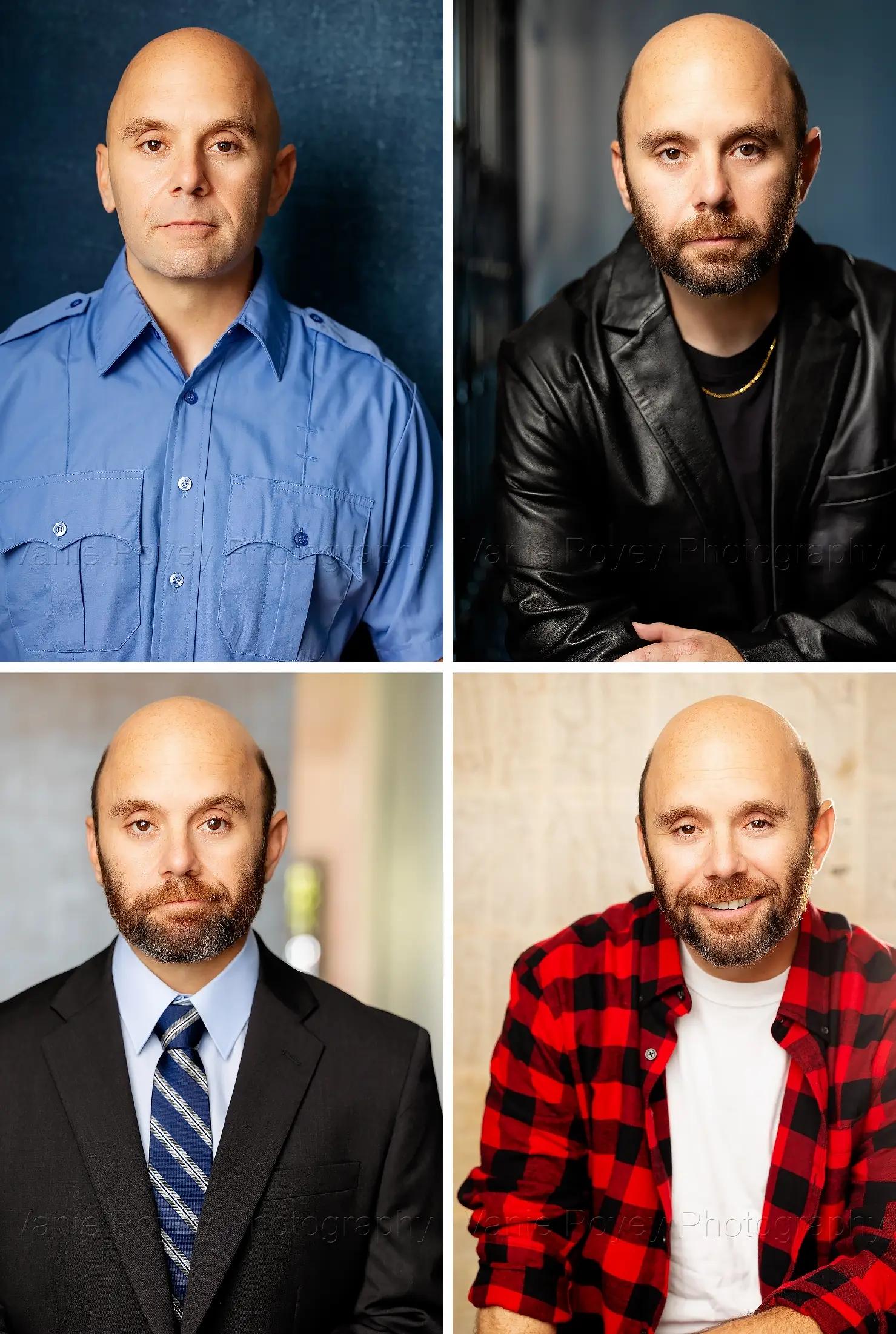
Theatre headshots and theatrical headshots for film and television often call for a different energy than commercial work. Commercial headshots tend to be warmer, more approachable, and broader in their appeal. Theatrical shots go deeper. They need to convey specificity and emotional range. Understanding the difference between commercial and theatrical headshots is important before you walk into any session, because the goal of each look is completely different.
How Do You Know Your Headshots Are Actually Working?
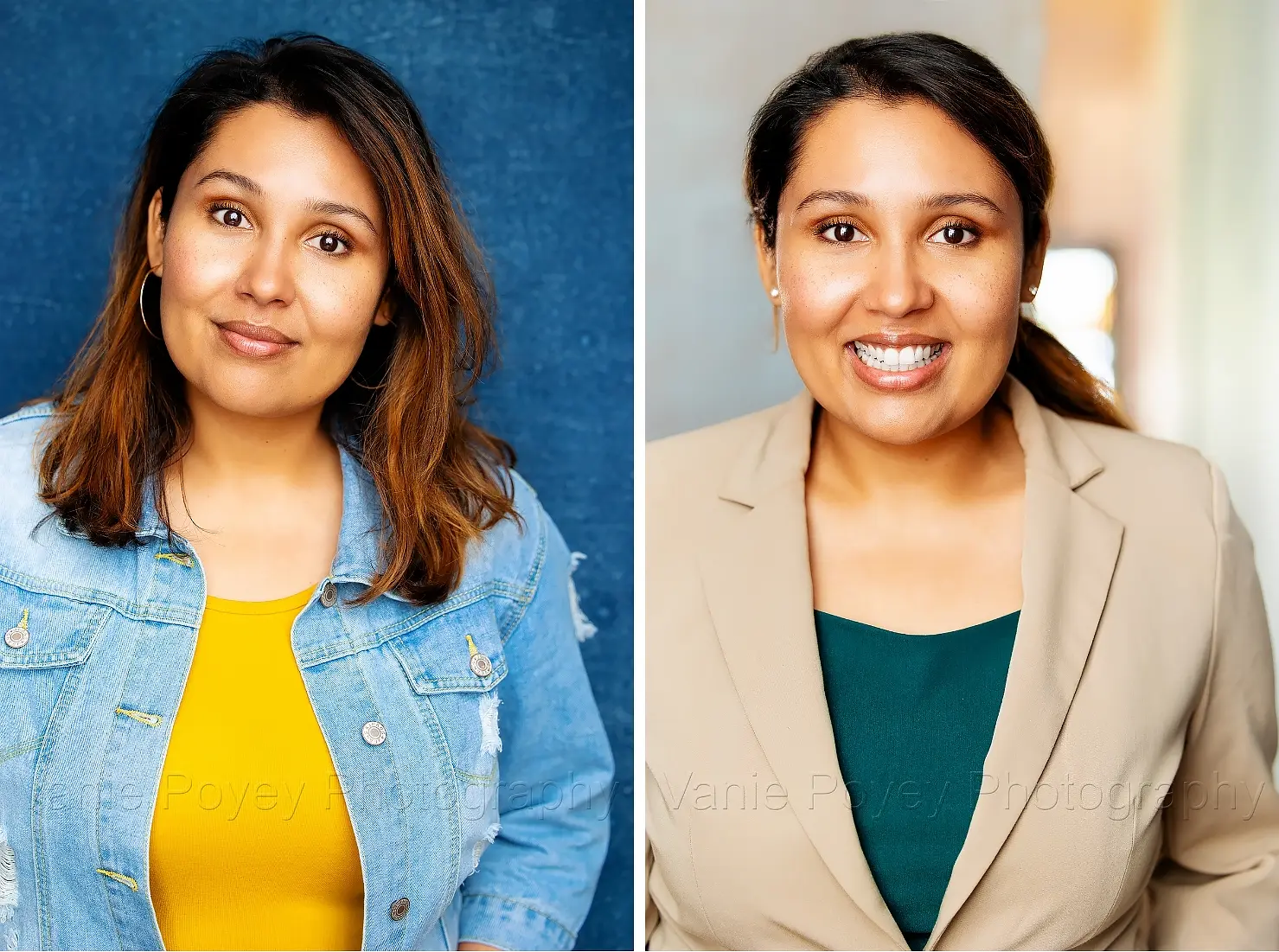
The honest answer is that the market tells you. If your headshots have been out for several months and you are not getting called in, that is data. It is uncomfortable data, but it is useful. An actress headshot photographer or actor headshot photographer worth working with will talk to you about what the market is responding to and help you make informed decisions about whether your current images are doing their job.
You can also look at your headshots next to the headshots of working actors in your type and ask yourself honestly: do mine compete? Knowing whether you have a competitive headshot is a question every actor should be able to answer with confidence.
If you are ready to stop guessing and start getting results from your actor headshots, the next step is working with a photographer who actually understands what makes an image effective in this industry. Visit poyeyphotos.com to learn more about what goes into a session that produces headshots that work, and reach out when you are ready to get started.
Frequently Asked Questions
What makes actor headshots effective?
Effective actor headshots communicate your casting type clearly and immediately. They are specific, well-lit, and styled intentionally so that a casting director can instantly see where you belong without having to imagine it.
How often should I update my professional acting headshots?
Most industry professionals recommend updating your headshots every one to two years, or sooner if your look changes significantly. Outdated headshots that no longer match your current appearance can actually work against you in the audition room.
Do I need separate theatrical headshots and commercial headshots?
Yes, in most cases. Theatrical and commercial headshots serve different purposes and target different casting audiences. Having at least one strong look in each category gives you more flexibility when submitting for different types of work.
What should an actress headshot photographer understand about the industry?
A qualified actress headshot photographer should understand current casting trends, know how to direct performance rather than just pose subjects, and be familiar with the technical requirements of major submission platforms like Actors Access and Casting Networks.
How many looks should I bring to an acting headshot session?
Most photographers recommend bringing three to five wardrobe options for a standard session. Each outfit should reflect a different type or energy so that you come away with looks that cover a range of roles you are realistically being considered for.
Can a great acting headshot photographer make a real difference in bookings?
Absolutely. The right photographer does not just take pictures; they help you identify your most castable looks, direct you through the session to get genuine expression, and produce images that actually compete in a crowded marketplace. The difference between a mediocre and an exceptional session can be the difference between sitting at home and getting called in.
If your current headshots are not getting you in the room, it may be time for a fresh perspective from a photographer who understands what the industry is actually looking for. Reach out and let’s talk about what your next session should accomplish.
The point about the best headshot often not being the one you personally like best is the hardest thing to get actors to accept. From the photographer’s side, we see this constantly — the image the actor gravitates toward is almost always the one where they feel most attractive, which isn’t the same as the one where they read most clearly for a type. An agent looking at a hundred submissions is scanning for a very specific signal; what the actor sees when they look in a mirror is a different thing entirely. At Lemon Shark Studio in Fulham we do a fair amount of actor headshots and the brief to clients is always the same: shortlist your favourites and then let your agent pick from those, not the other way round.