


We’ve all heard the cliche sayings, “it’s all in the eyes” or “headshots are you on your best day,” but for acting headshots to grab the attention of casting directors, there’s more to it than that.
If someone asked me today how actor headshots actually get an unknown actor called in for an audition, the honest answer is that a beautiful photo by itself has never been enough.
Why Don’t Casting Directors Call In Unknowns With Beautiful Headshots?
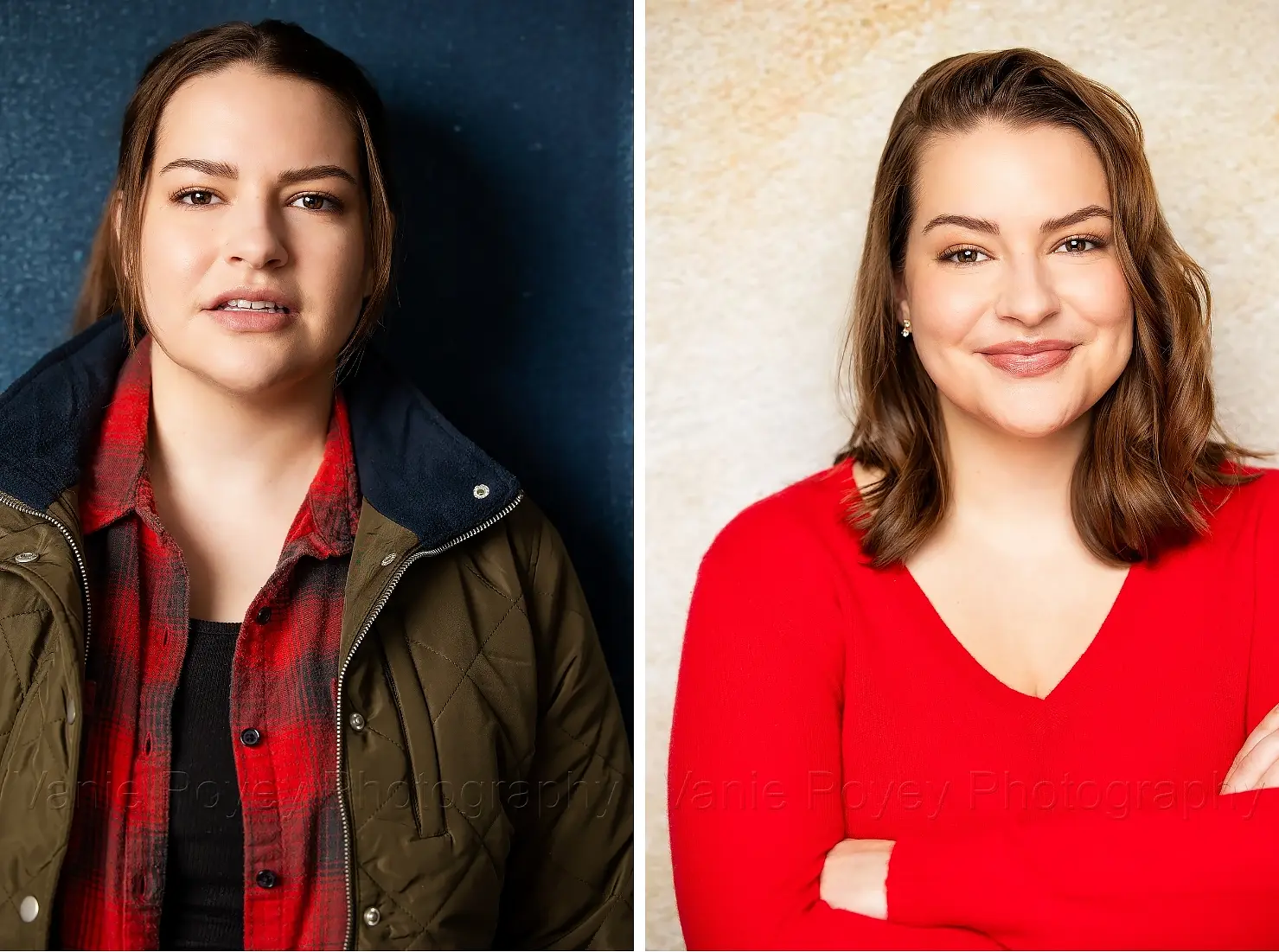
Casting directors generally don’t take the chance and bring in an unknown who has a beautiful headshot but lacks a specific marketing look with personality. When the breakdown calls for “the victim being questioned by police,” they will only call in the unknown actor whose headshot matches that of a victim.
Your Headshot Session should not be all about taking pretty pictures, a trap most novice actors fall into. Acting headshots need to market you specifically for the “type” you’re auditioning for, which is exactly why generic, pretty actor headshots so often go nowhere, no matter how good they make you feel.
THIS IS BECAUSE when the casting community isn’t already familiar with your work, a headshot that closely resembles the type in the breakdown gives casting reason to believe you can act the part. As an LA-based acting headshot photographer who’s spent 26 years watching this play out, I can tell you this is the single biggest reason talented, well-trained actors stay invisible in submissions.

How Do You Figure Out Your “Marketing Look” for Actor Headshots?
Your “type,” or what I call your “marketing look,” is based on the age range you fall into. It’s best to narrow down your age range to about five to seven years, because the more targeted the age range, the more specific the “types” become, and therefore the greater the chances of getting called in for an audition.
FOR EXAMPLE, if your age range is 18 to 24, your marketing looks may include All American Guy/Girl Next Door, or possibly Edgy, Edgy Hipster, Edgy Bad Boy/Girl, etc. Think Glee vs. Vampire Diaries. If your age range is 38 to 43, your marketing looks may include Office Professional, Dad/Mom, Guy/Girl Next Door, Upscale Gallery Owner, Victim, etc.
A few questions worth asking yourself before your next session:
- What age range do you actually read as on camera, not on stage?
- What two or three specific types show up again and again when you watch actors who share your look?
- Does your natural essence and look support that type, or are you forcing a character you wish you played?
This is also where the difference between your brand and your looks comes in: your brand is who you are across every look, and your looks are the specific, castable characters built on top of that. Understanding the difference between your brand and your looks before your session keeps you from walking in with wanting “just pretty” vs. walking out with headshots that are actually effective.
What Does This Mean for Your Actor Headshots in 2026?
In 2026, casting directors are scrolling through hundreds of thumbnails a day, and an unrepped or self-submitting actor’s profile gets judged in seconds. Casting directors are looking for two things fast: can you look the part, and can you act it.
A current, well-lit professional headshot that shows your type clearly is the baseline, with your personality to top, and actors who submit strategically based on their type consistently outperform actors applying to everything available (source: Casting Networks).
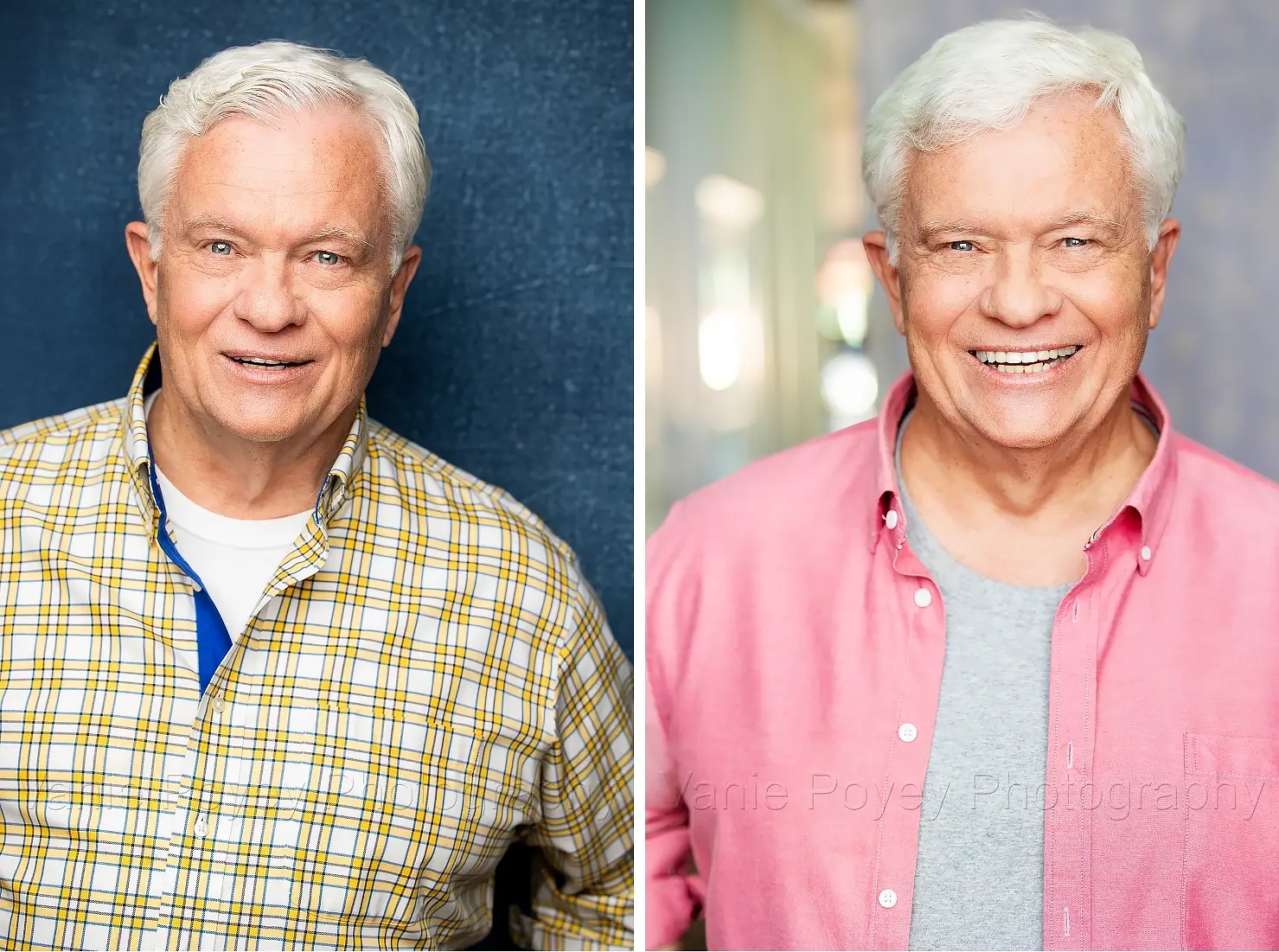
If you’re wondering how many looks you actually need for professional acting headshots, most adults can use at least four to start. It’s smart to build a small repertoire of specific looks with both the commercial and theatrical versions, with a few narrower specific add-ons around them for whatever you’re missing (source: Casting Frontier).
That’s also why headshots that stand out matter just as much as picking your looks, since neither one works without the other.
Before going into a headshot session, by taking into consideration a range of marketing looks suited for you, not only will you give agents the proper tools with which to market you, but you’ll be one step ahead of your competition when it comes to getting in the door. This matters even more for la actor headshots specifically, since the LA market is more saturated and more type-specific than almost anywhere else actors work. If you’re one of the many actors still figuring out how to get in the right doors in Hollywood in the first place, it’s worth understanding what changes are needed here before you ever book a session.
As a headshot photographer who’s photographed thousands of actors, I’ve watched this play out the same way every time: the actors who understand their marketing look before they ever sit down in my studio are the ones who walk out with a gallery that actually works for them. As a Los Angeles acting headshot photographer, I build every session around your specific type first, because a beautiful headshot that doesn’t say anything about your type is still an invisible one to casting.
At the end of the day, actor headshots that book work and actor headshots that get ignored usually come down to this exact thing: whether casting can tell that you fit the role in the first two seconds of looking at you. Get specific about your looks before your next session, and you stop being invisible.

Getting in the Door as an Unknown: Frequently Asked Questions
Here are the questions actors ask me most about typecasting, marketing looks, and getting called in when casting doesn’t know you yet.
How do casting directors decide whether to call in an unknown actor?
They match your headshot to the specific type in the breakdown. If your photo doesn’t clearly read as the character they’re casting, an unfamiliar casting director has no reason to take a chance on you over someone whose headshot already fits.
What is a “marketing look” in actor headshots?
A marketing look is a specific, castable character built around your age range and essence, like “Office Professional” or “Edgy Hipster,” rather than one generic, pretty photo. It shows casting exactly the role you’re right for.
How many looks do I need for professional acting headshots?
Most adult actors need at least four looks with both the commercial and theatrical version of each cross-over look. Each looks should showcase a specific type.
What age range should I use to find my type?
Keep it narrow, about five to seven years instead of throwing spaghetti on the wall. A tighter age range makes your headshots more specific, which makes casting more likely to call you in for the right roles.
Do la actor headshots need to look different from headshots anywhere else?
Not fundamentally different, but the LA market is more saturated and more type-specific, so vague or overly general looks tend to get lost here faster than in smaller markets.
How often should I update my actor headshots?
Roughly every two to three years, or sooner if your type changes, your look changes, or your current headshots simply aren’t landing auditions anymore.
Figuring out your marketing look isn’t optional if you want actor headshots that actually book you work, my friend. When you’re ready to build a session around your specific type instead of a generic photo, let’s get you on the calendar, or start with my free Look Guide to get a head start on your looks first.
Great post, fantastic information! Thanks.